
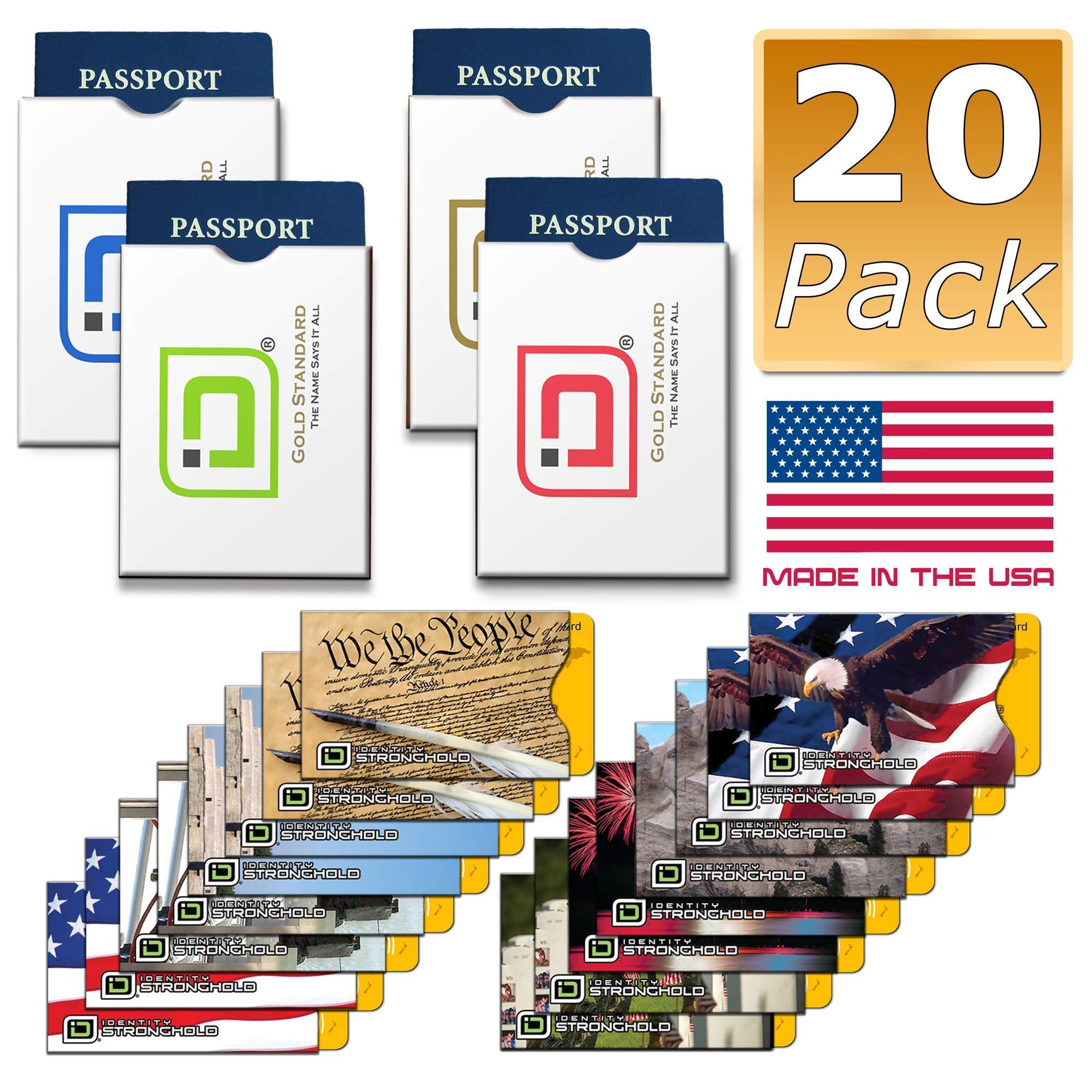
All our Secure Sleeves are Made in the USA
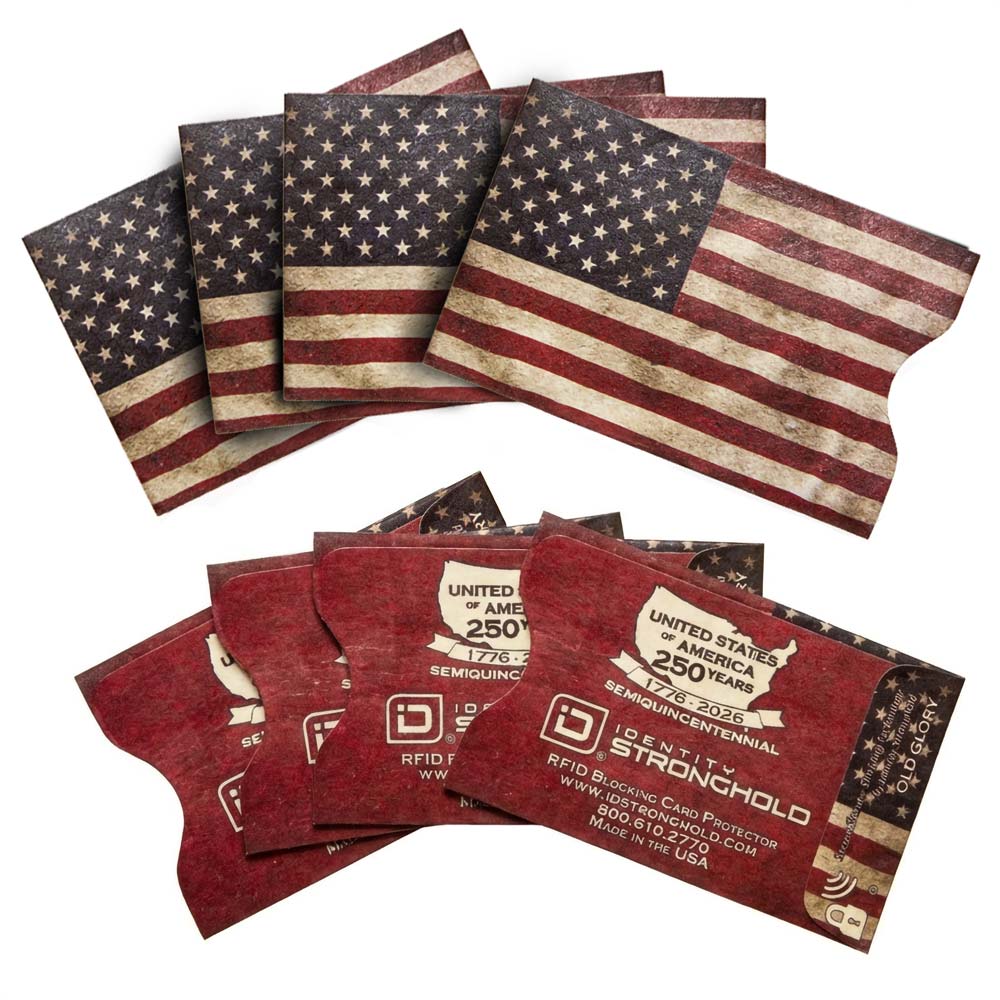
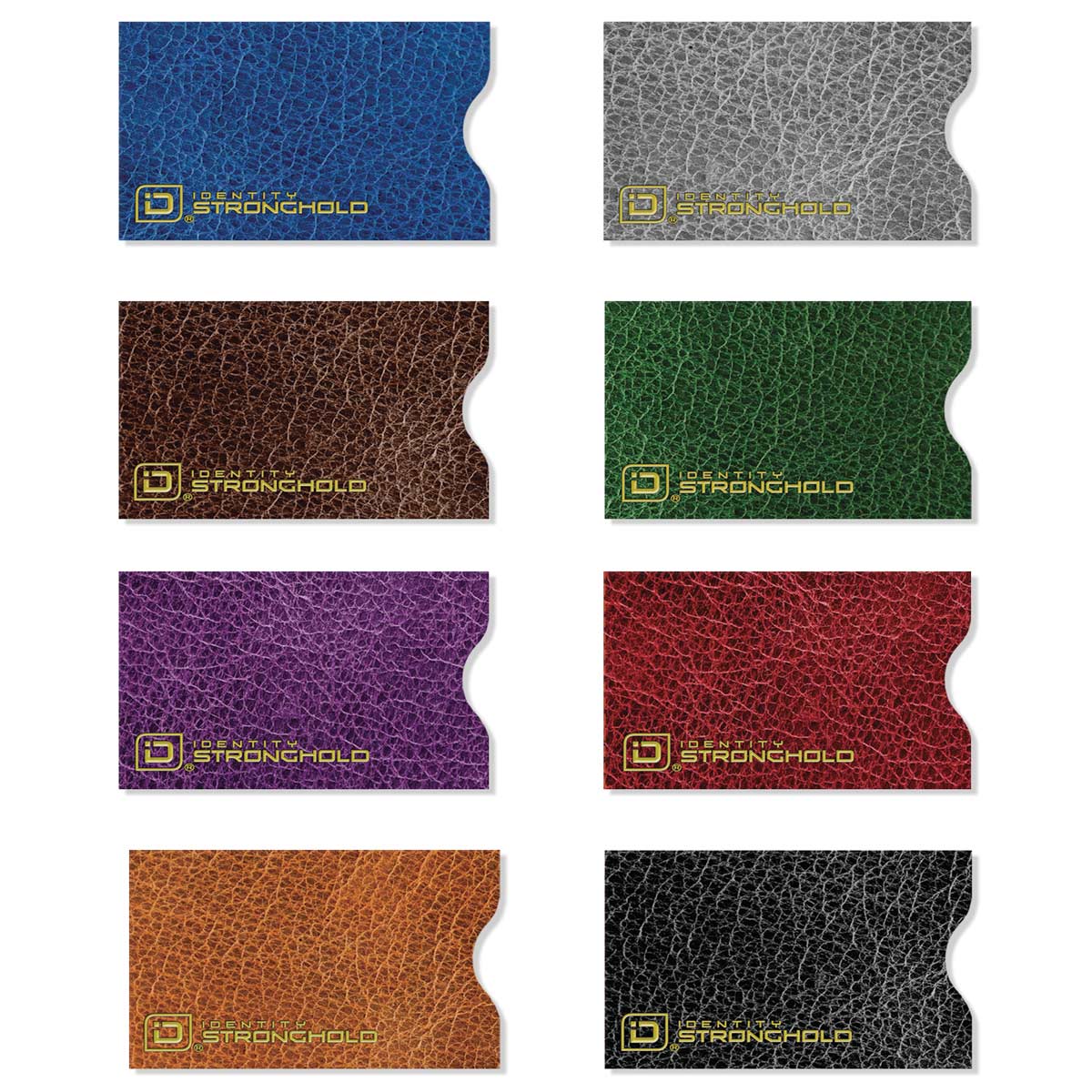
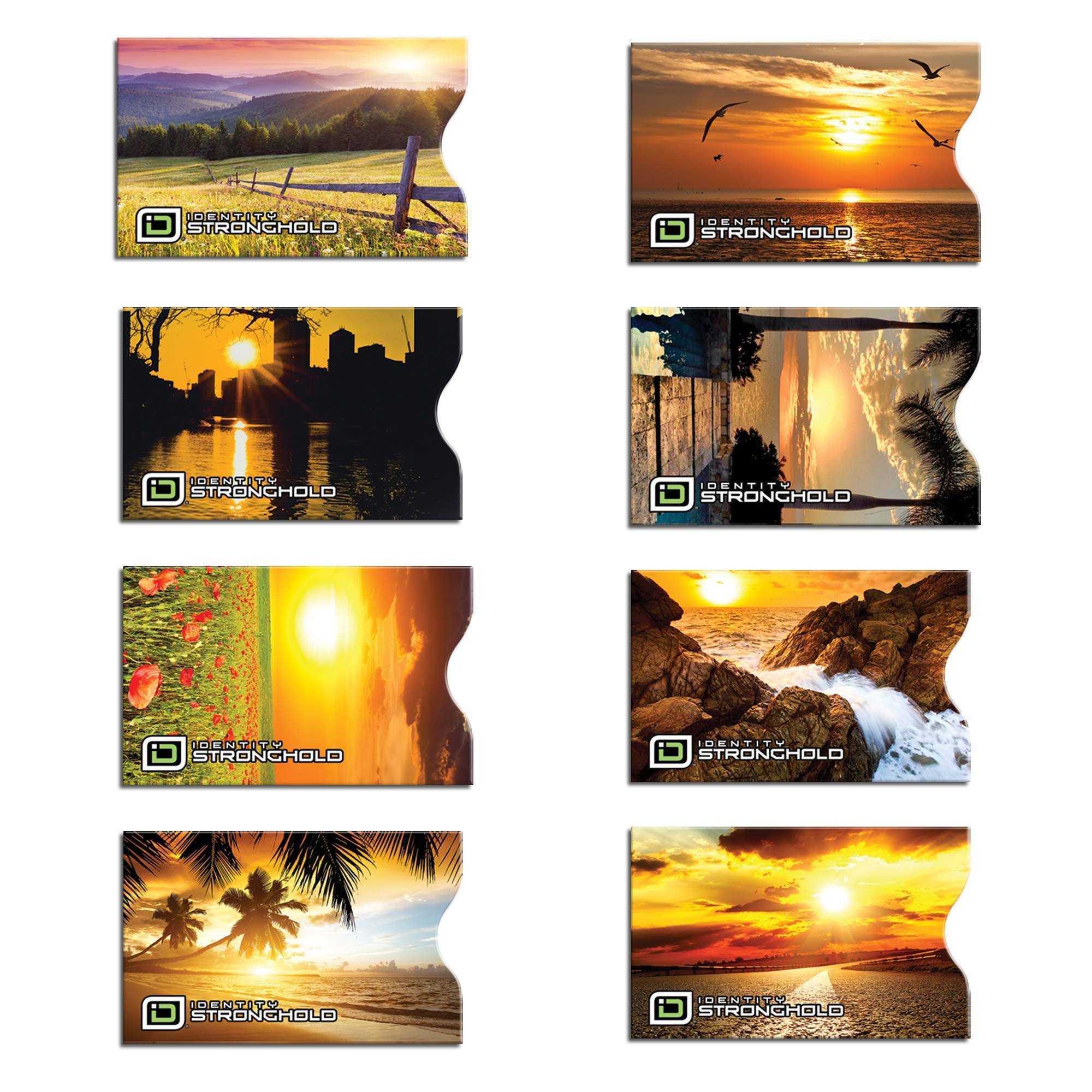
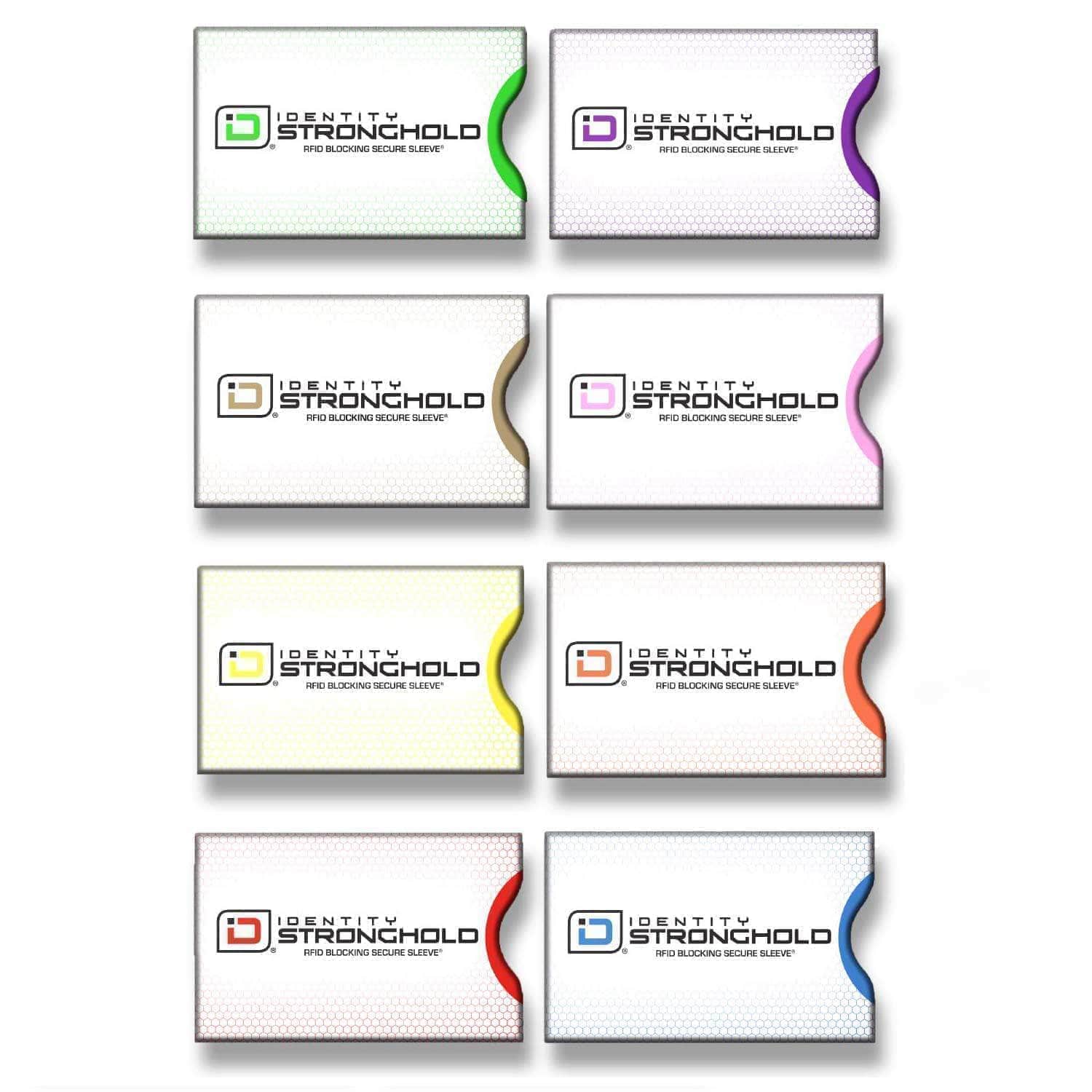
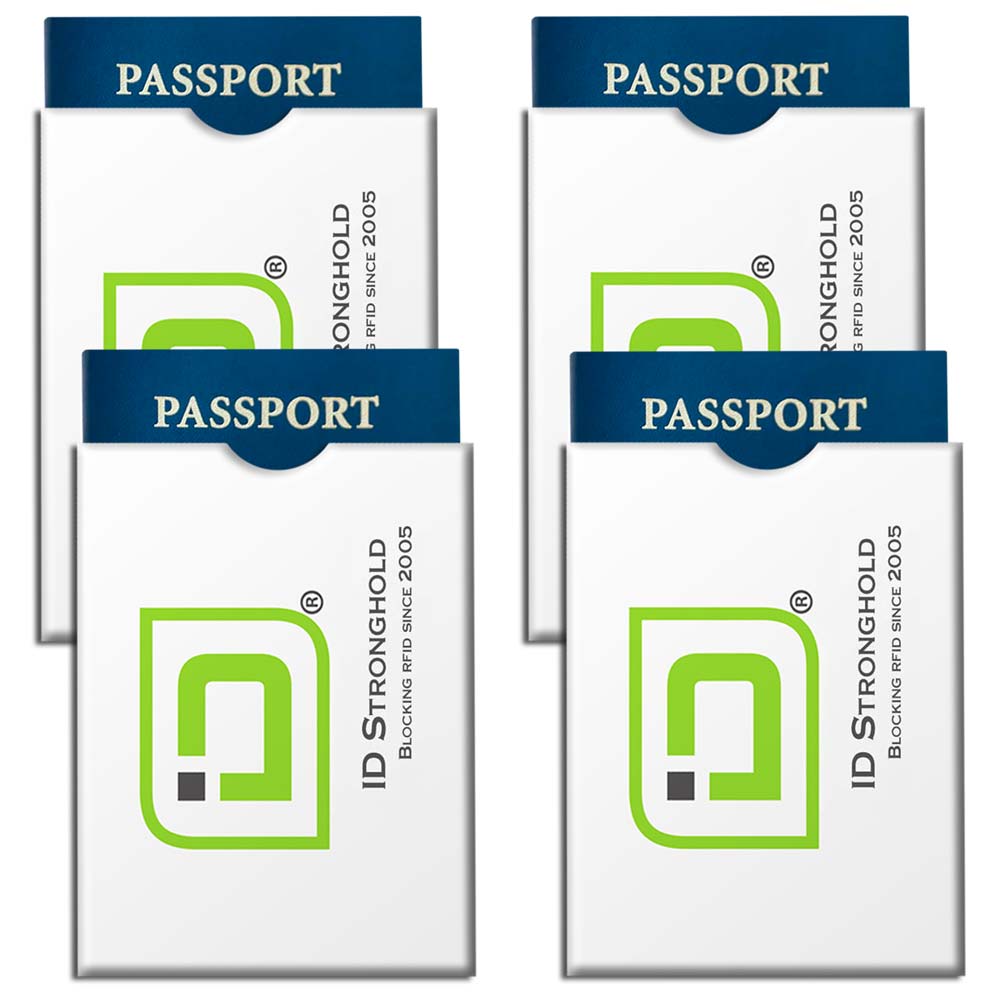
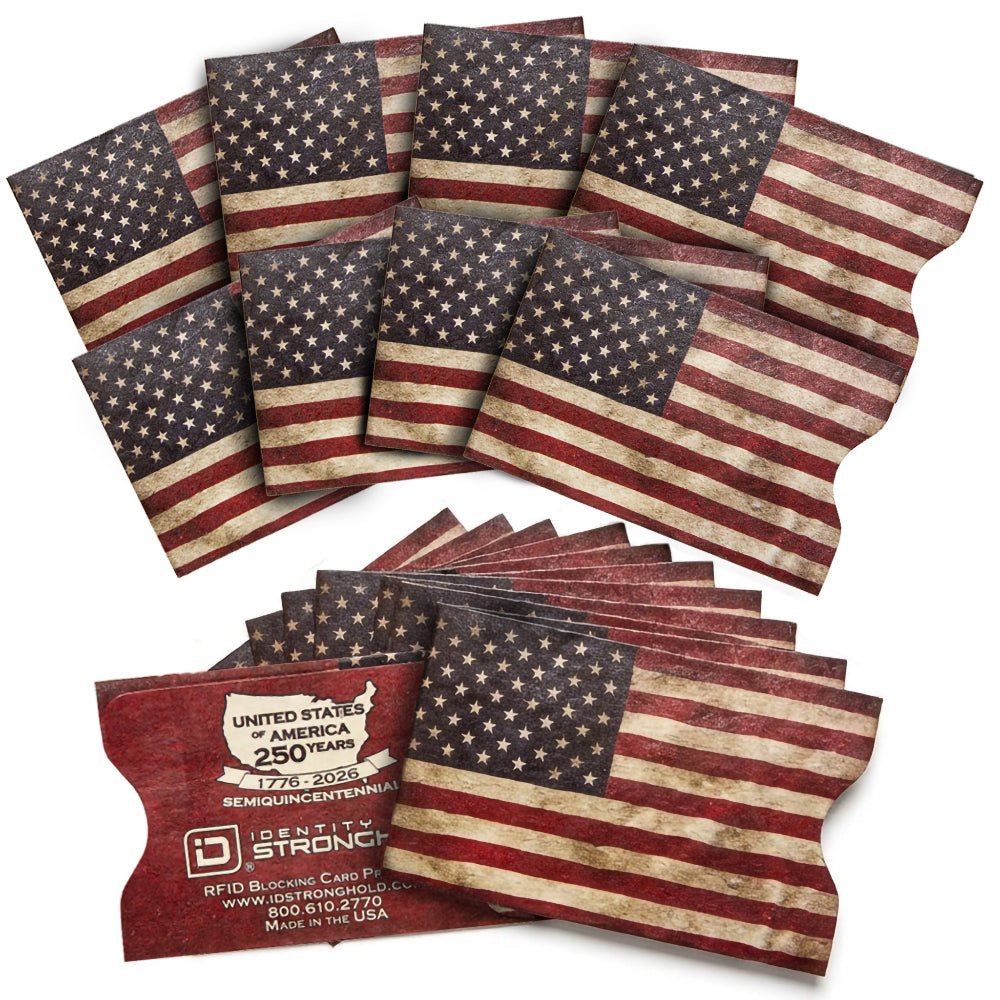
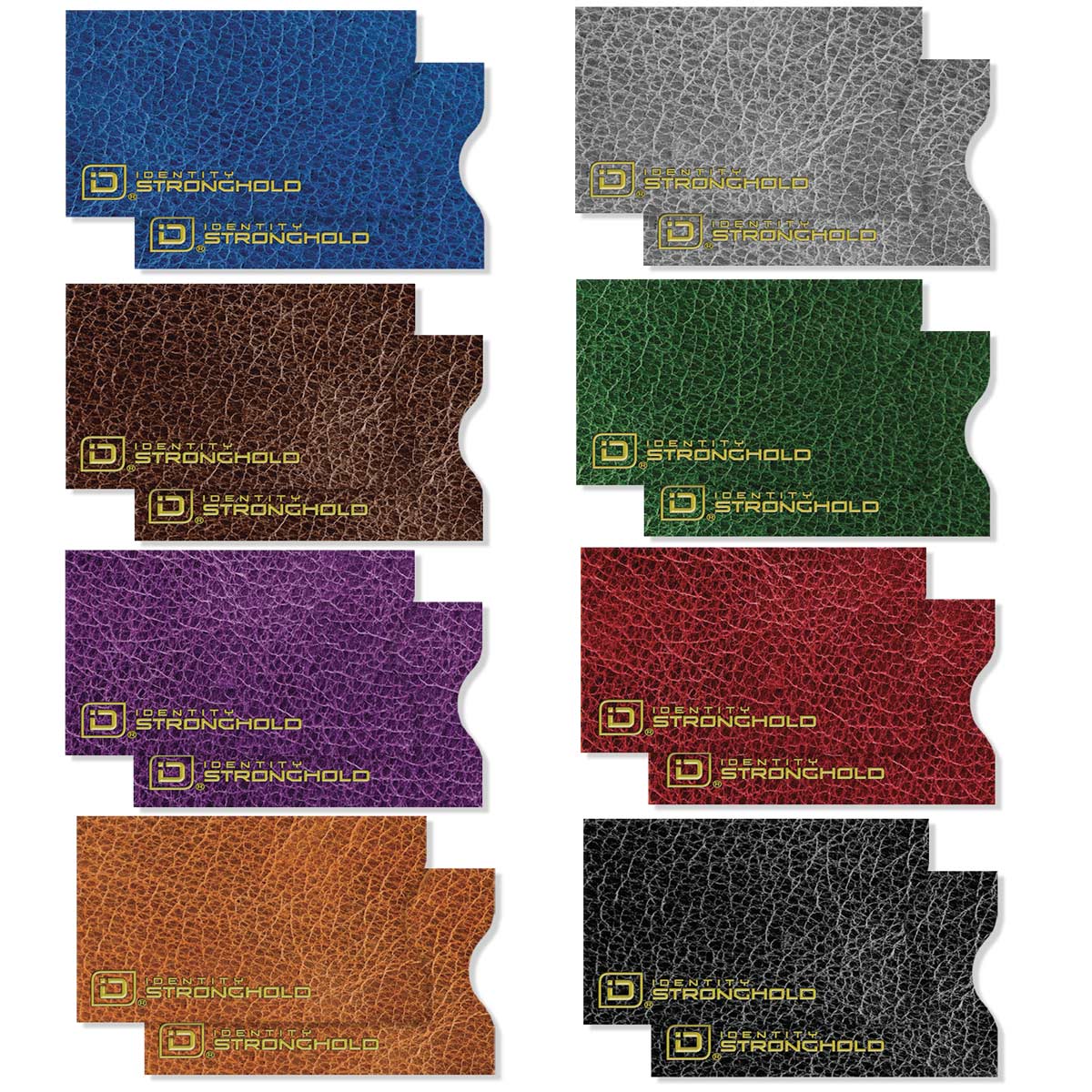
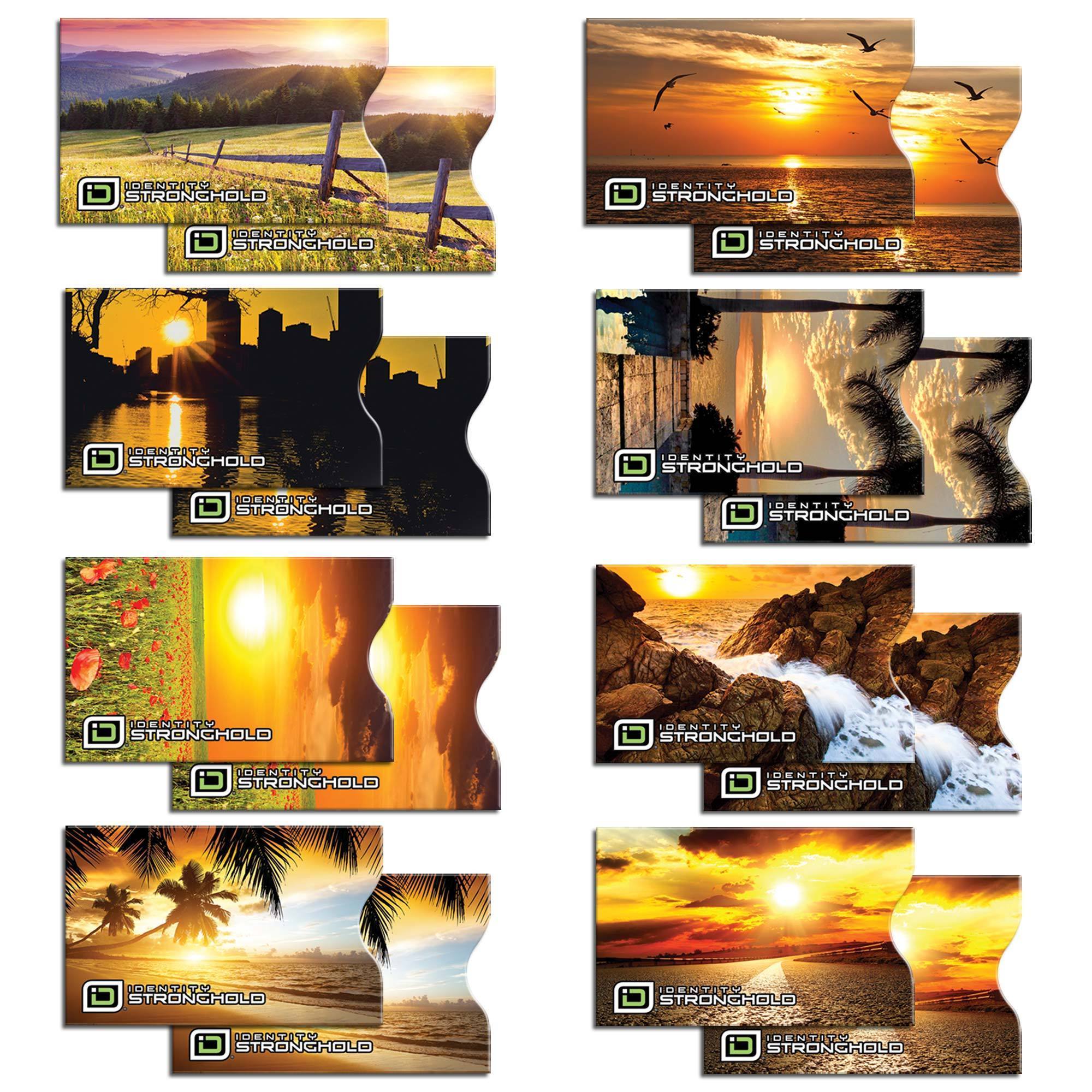
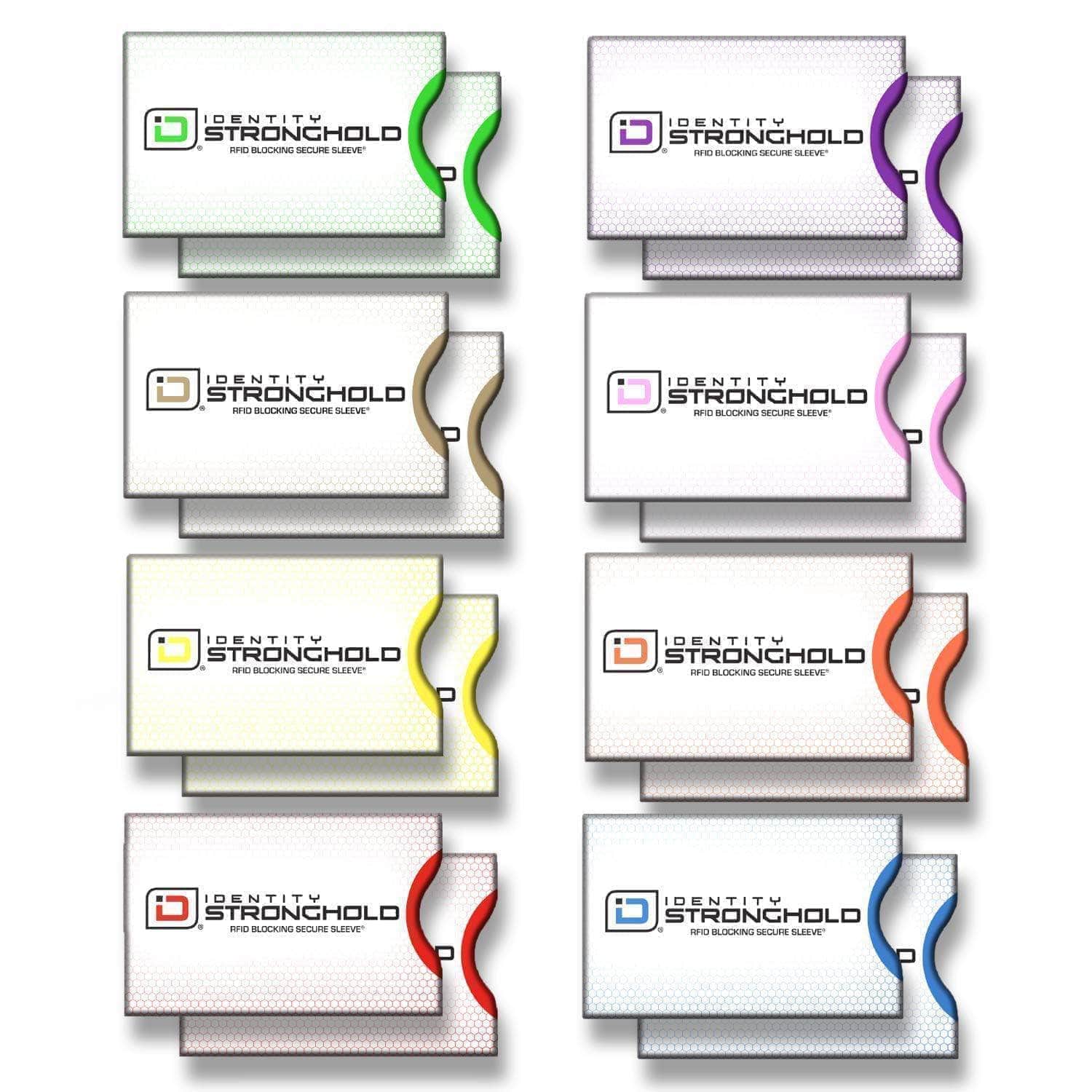
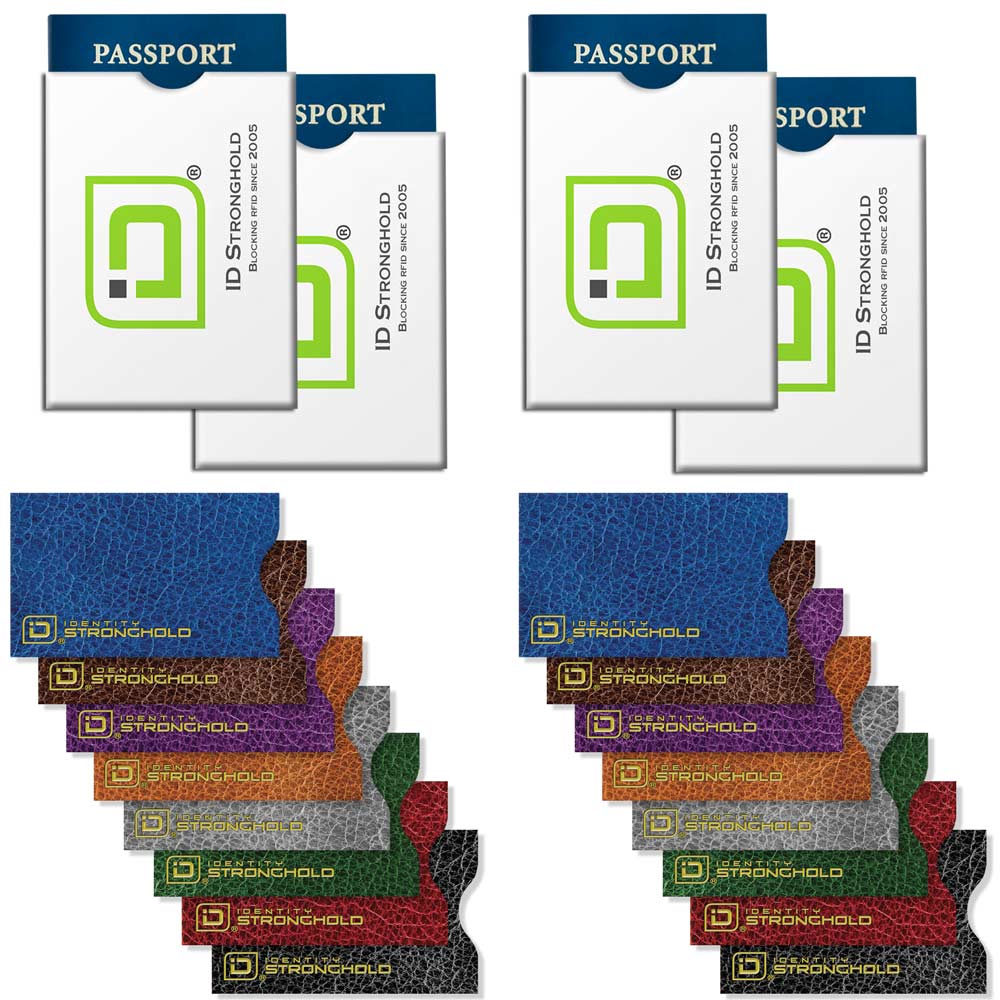
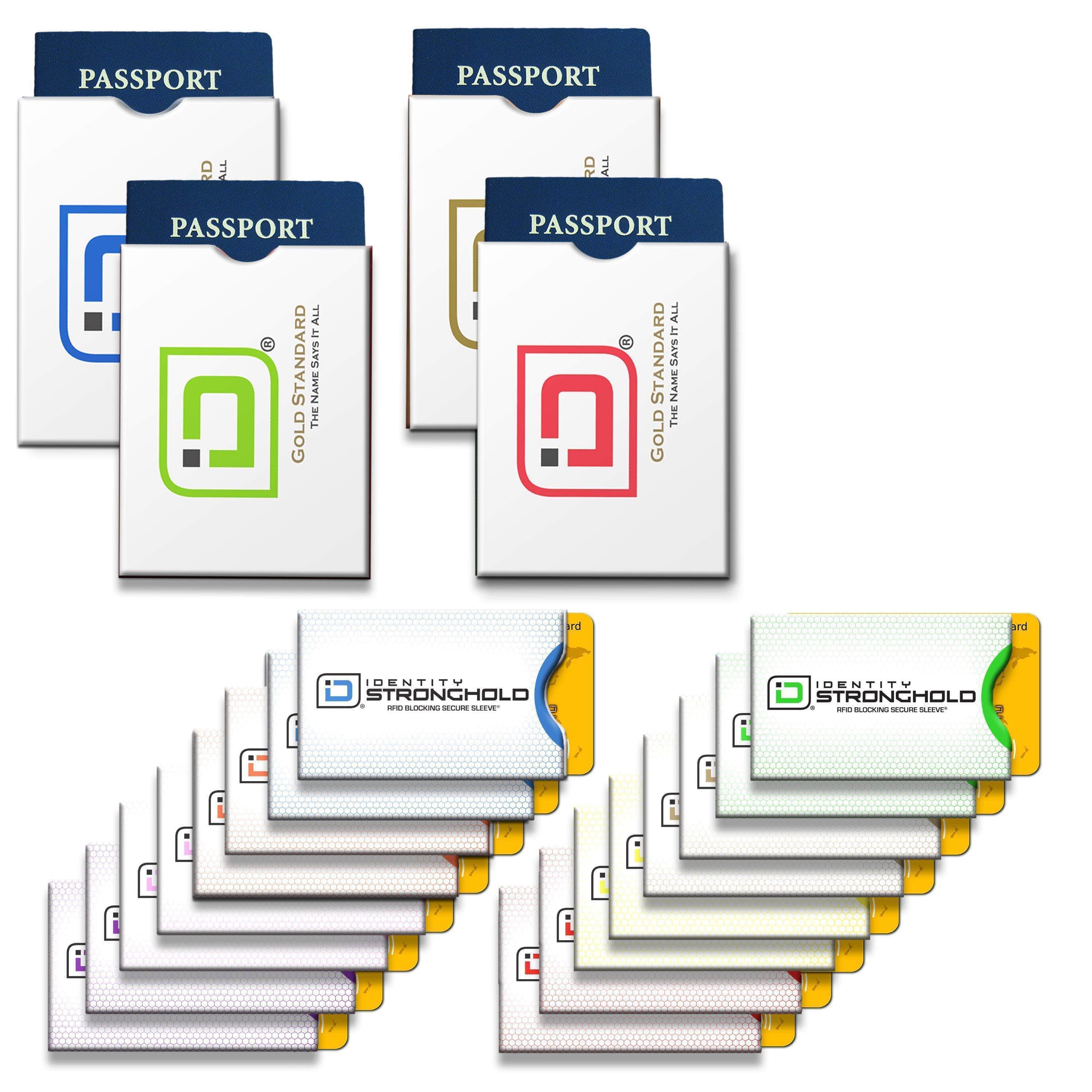
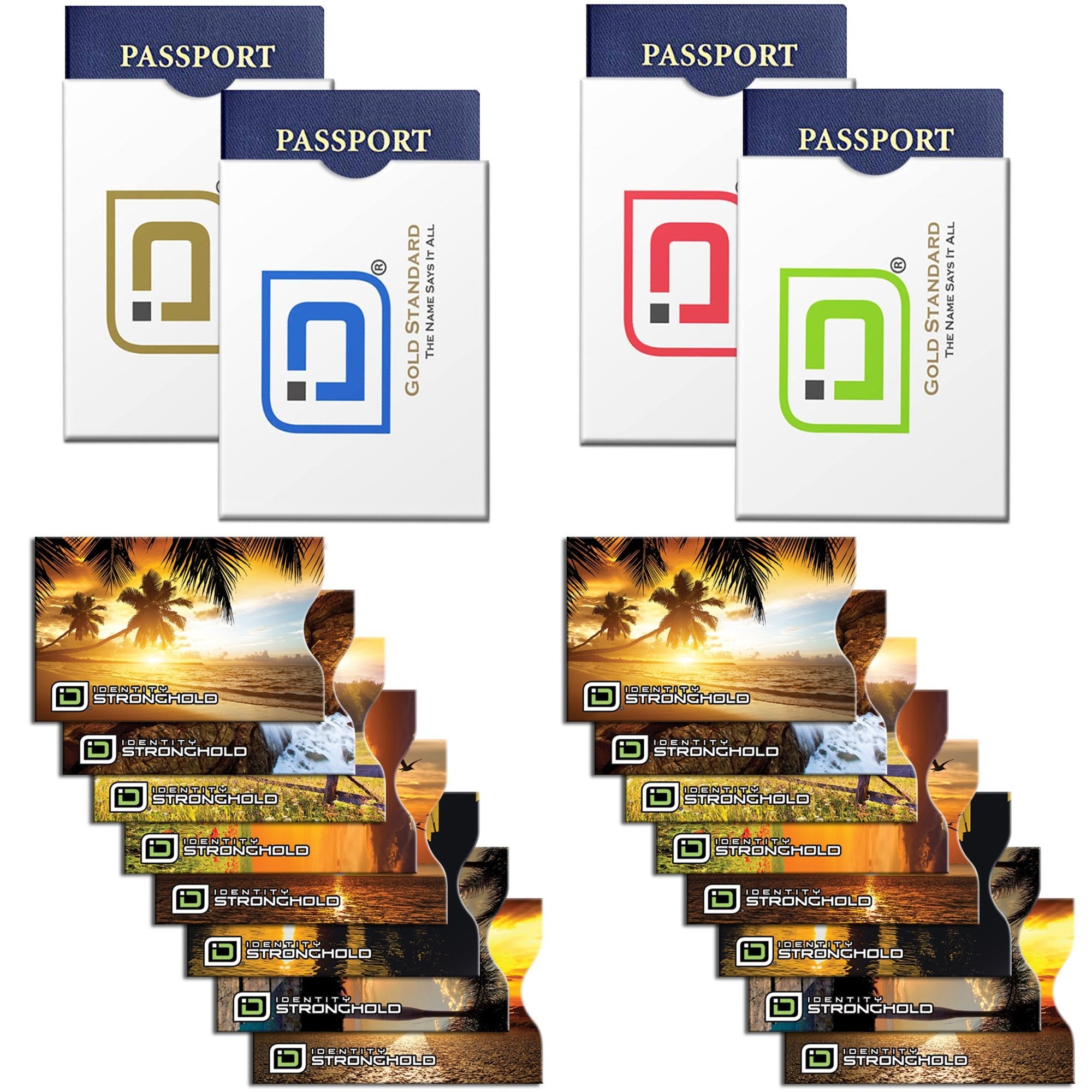
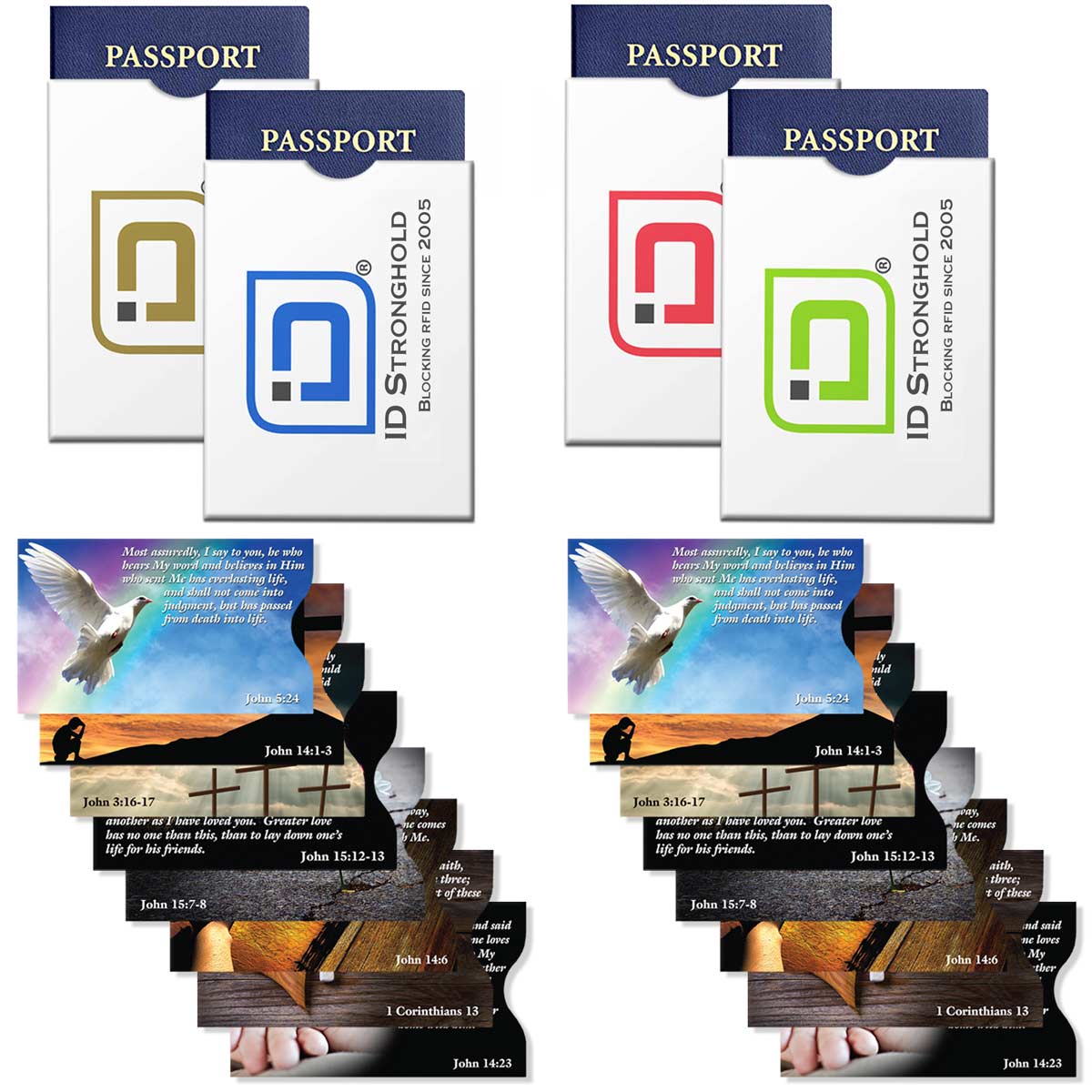
Do you have a wallet that you love but still need protection for your contactless cards? Well, we have you covered with our credit card protector RFID Sleeves. It's like your own personal wallet defender. Identity Stronghold is the original RFID Secure Sleeve® company, and our RFID credit card covers are designed to fit into your wallet's card slot. With our secure sleeve shielding technology, your cards are protected from scanning, cloning, and ghost tapping in any wallet! We also have a size to fit your Passport.




RFID Sleeve Protection & Security Questions
Yes, it’s possible for a contactless credit card to be scanned through a regular wallet if it is not RFID protected. Contactless cards use RFID or NFC technology, which allows them to transmit data wirelessly at short range. While the real-world risk is relatively low, an unprotected card can potentially be read without your knowledge.
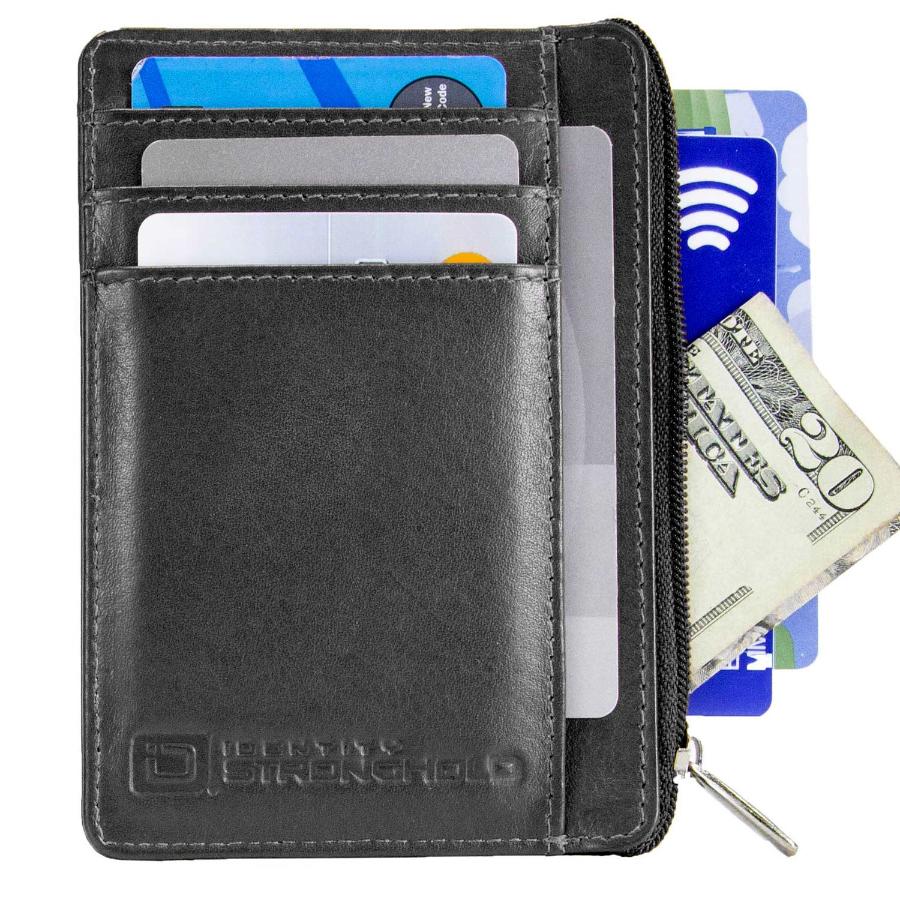
Using an RFID blocking wallet or RFID blocking credit card sleeve helps prevent unauthorized RFID scanning by blocking the radio frequencies used in contactless payments.
An RFID blocking sleeve is a thin protective sleeve designed to shield contactless credit cards, debit cards, passports, and smart ID cards from unauthorized wireless scanning.
Many modern cards use “tap to pay” technology, which sends out a short-range wireless signal. An RFID blocking sleeve contains protective shielding material that helps prevent that signal from being read while the card is inside the sleeve.
RFID sleeves offer a lightweight, affordable way to protect individual cards without replacing your entire wallet.
RFID blocking sleeves work by using shielding materials that block the wireless signals used by contactless “tap-to-pay” credit cards, debit cards, passports, and smart ID cards. When your card is fully inserted inside the sleeve, the protective layer helps prevent unauthorized scanners from reading the card’s RFID signal.
ID Stronghold RFID blocking sleeves are designed to provide reliable protection for individual cards while remaining thin enough for everyday use inside your wallet.
Yes. RFID blocking credit card sleeves are specifically designed to prevent
electronic/digital pickpocketing by blocking the radio frequencies used in contactless credit and debit cards. The built-in shielding layer stops unauthorized RFID scanners from accessing your card’s data while it’s inside the sleeve.
Yes, electronic passports (ePassports) contain an RFID chip that can be read wirelessly.
Using an RFID blocking sleeve adds an extra layer of protection by shielding the passport and preventing unauthorized RFID scanning while it’s in your bag.
It depends on how you carry your cards.
RFID blocking sleeves protect individual cards by surrounding each card with shielding material. They’re a simple, affordable option if you only want to protect one or two tap-to-pay credit cards, a passport, or a specific smart ID.
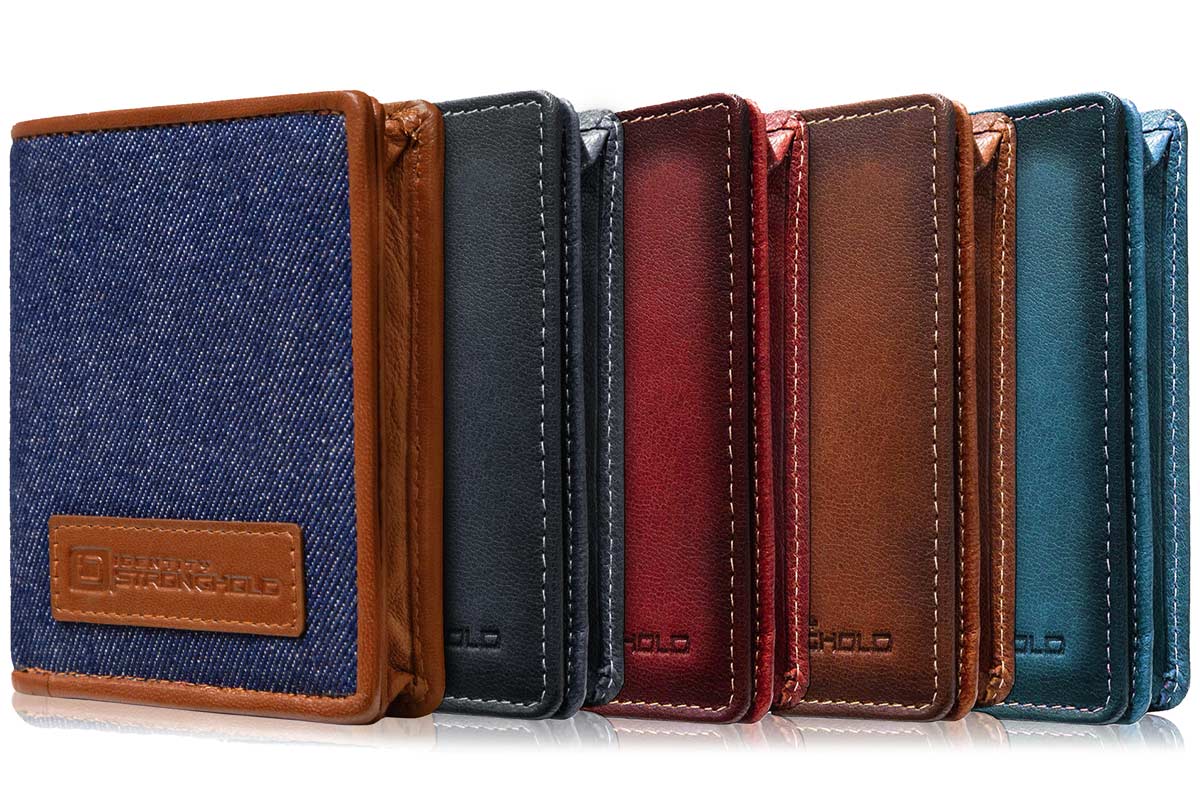
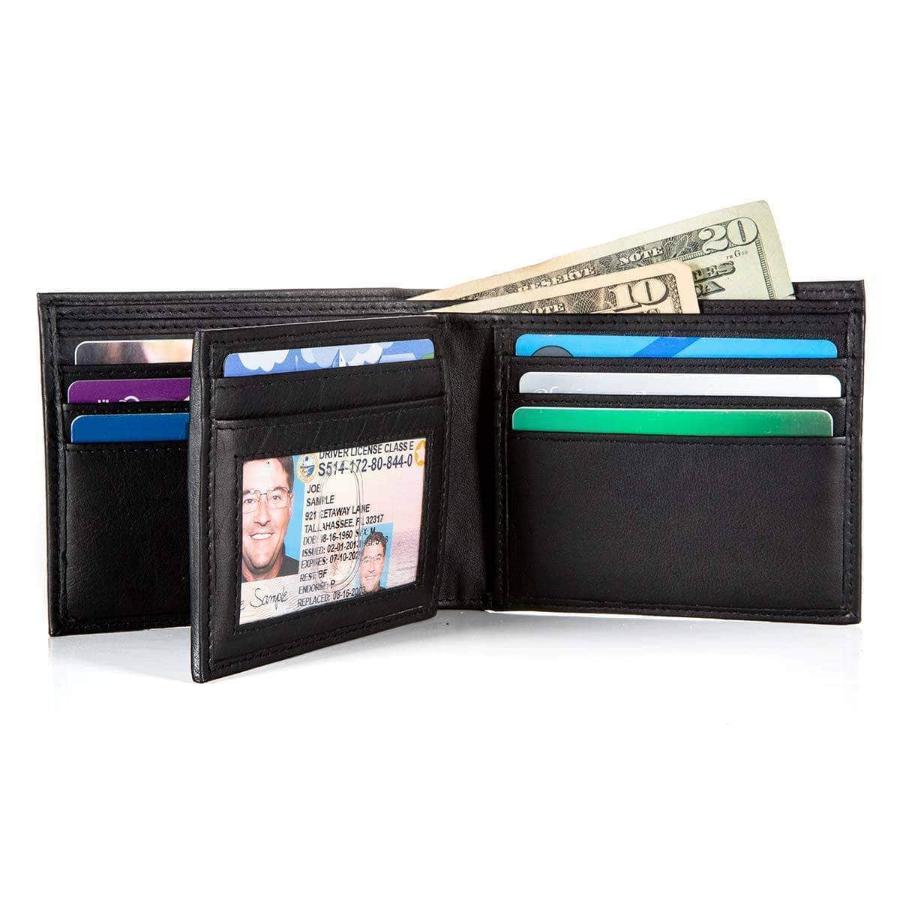
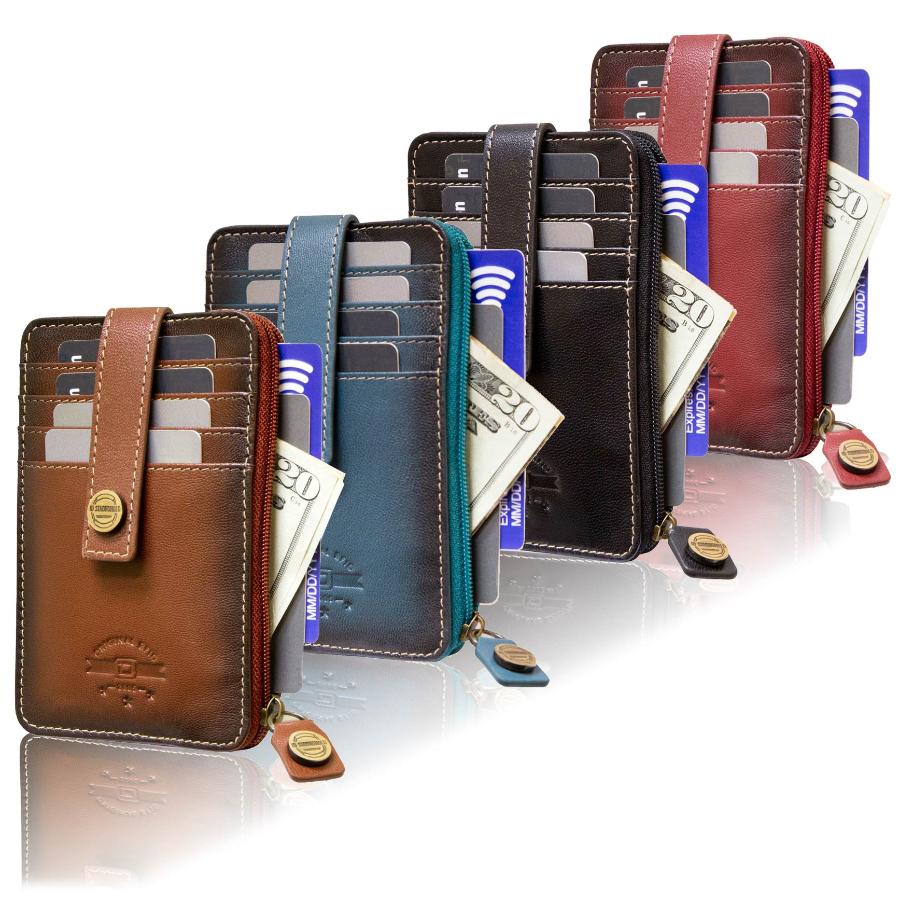
RFID blocking wallets, on the other hand, provide built-in protection for multiple cards at once. They’re often more convenient for everyday carry because you don’t need to insert and remove cards from separate sleeves.
If you want lightweight, flexible protection for specific cards, RFID sleeves are a great solution. If you prefer all-in-one protection with everyday convenience, an RFID blocking wallet may be the better choice.
Both options help protect contactless cards from unauthorized scanning — the right choice depends on your usage and carry style.
RFID blocking cards are often marketed as a simple way to protect your contactless credit cards, but in reality they are not a reliable solution. Most RFID blocking cards only work when they are placed directly next to the card being scanned, and even then their effectiveness can vary depending on the reader and the distance involved.
Contactless payment cards communicate using radio frequency signals that can still reach other cards in a wallet. A single blocking card cannot consistently shield every card around it, especially if there are multiple cards stacked together. Because of this, the protection they provide is unpredictable.
True RFID protection works best when a complete shielding barrier surrounds the card, which is what RFID blocking sleeves and wallets are designed to do. These products use specialized materials that block radio frequency signals from all directions, preventing unauthorized scans.
For reliable protection, we recommend using RFID blocking wallets or individual card sleeves, which fully isolate the card from RFID readers rather than attempting to interfere with the signal using a single blocking card.
How RFID Blocking Sleeves Work
RFID blocking sleeves work by using a protective layer of shielding material that disrupts the radio signals used by contactless cards and passports. When a card is fully inserted inside the sleeve, the shielding layer prevents scanners from reading the card’s RFID signal.
This helps protect tap-to-pay credit cards, debit cards, smart ID cards, and e-passports from unauthorized wireless scanning while stored.
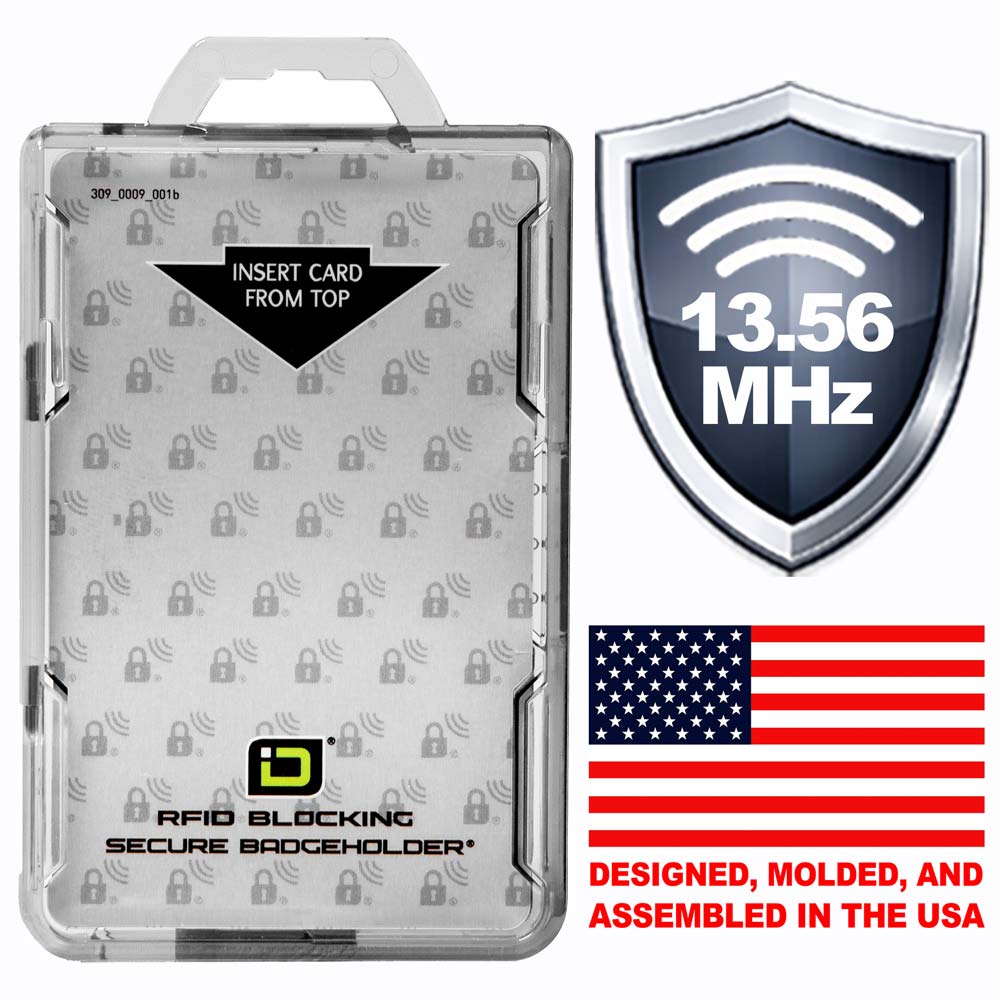
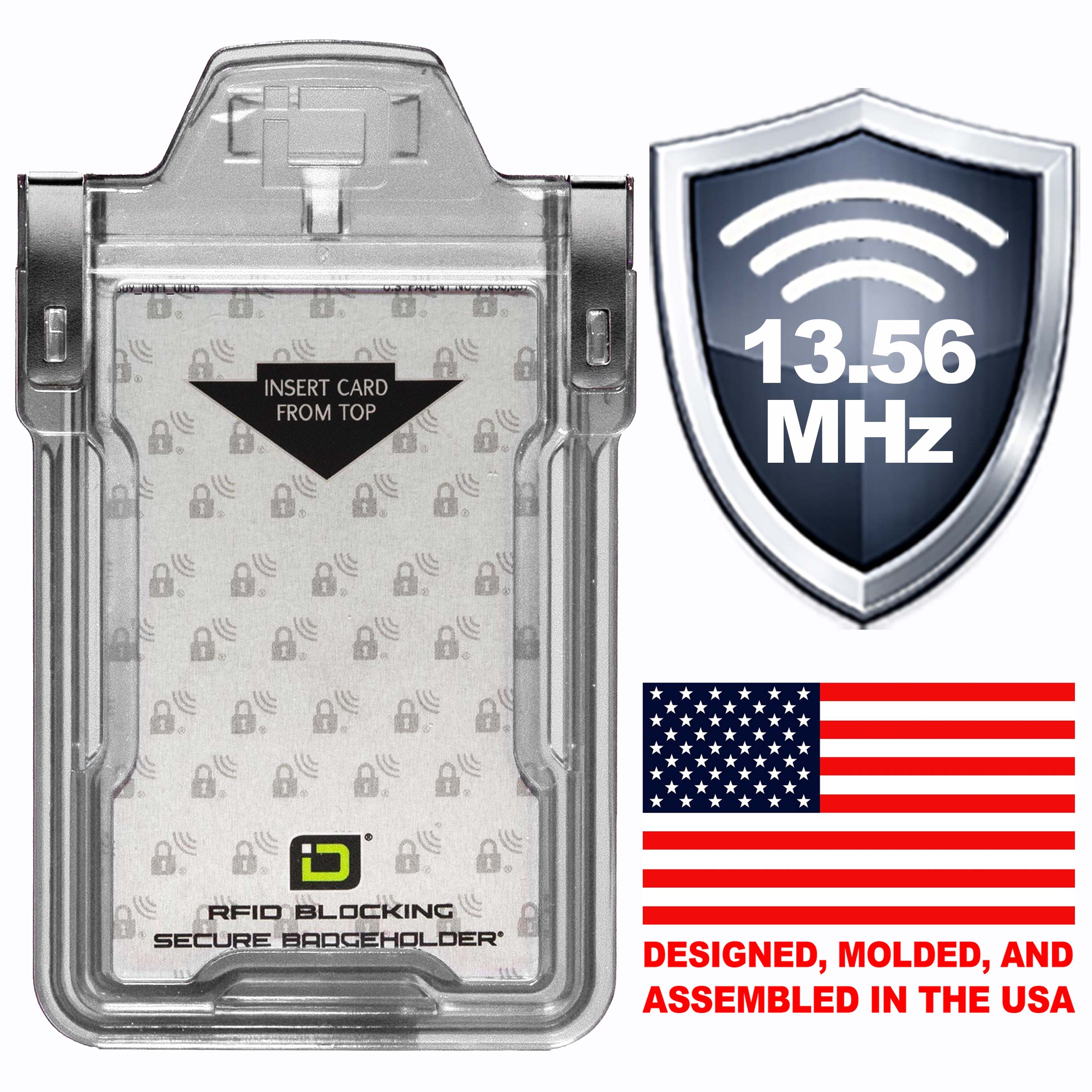
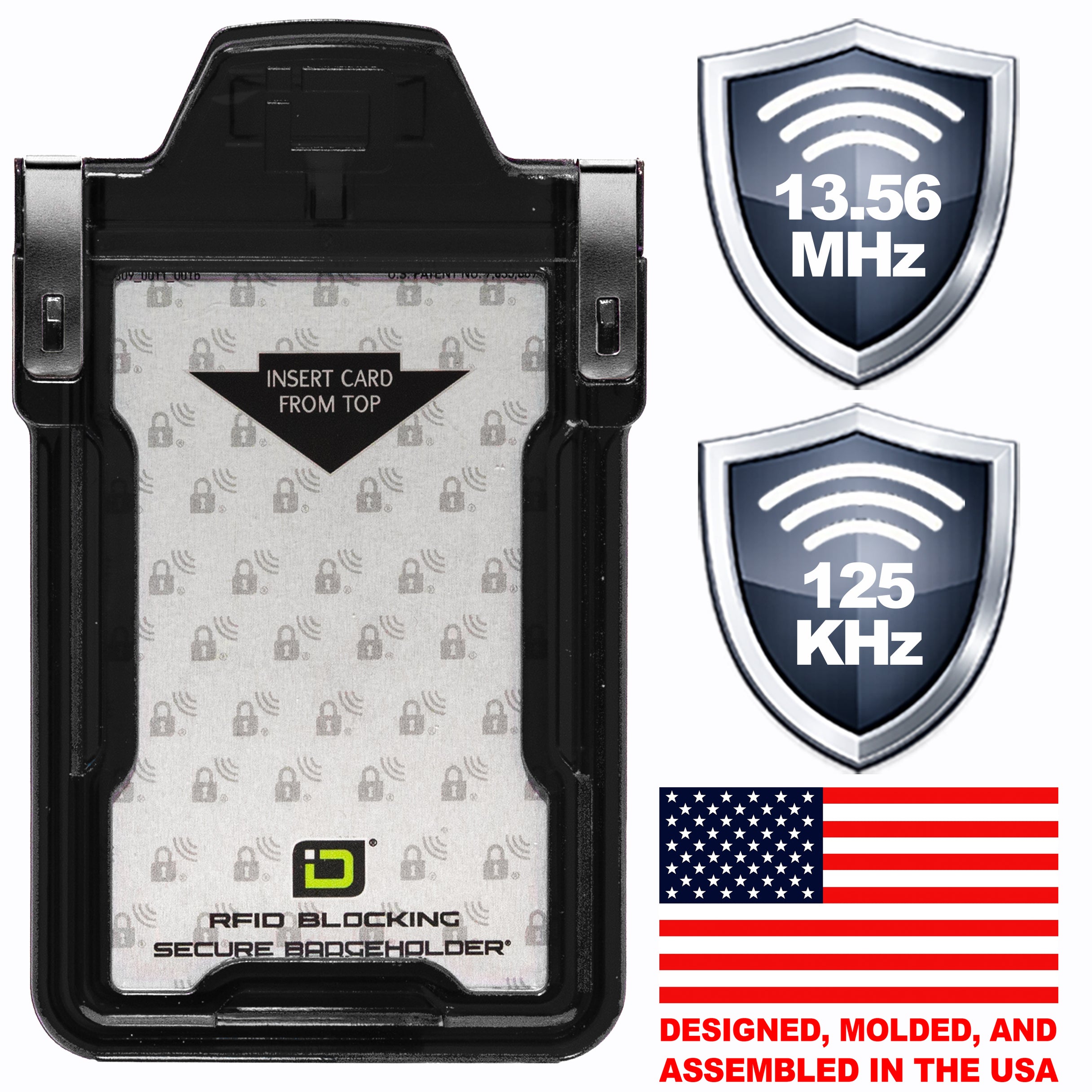
Most contactless credit cards and passports operate at 13.56 MHz (high frequency). RFID blocking sleeves are designed to block this frequency to help protect payment and identification data.
For an RFID blocking credit card sleeve to work properly, the card must be fully inserted. If part of the card is exposed, the RFID chip may still be readable, reducing the sleeve’s effectiveness. For full protection against unauthorized scanning, always make sure the card is completely inside the sleeve.
An easy way to test your RFID blocking credit card sleeve is to place your contactless card inside the sleeve and try using it at a tap-to-pay terminal. If the sleeve is working properly, the payment reader will not detect the card.
If the card is fully inserted and the transaction doesn’t go through, your RFID sleeve is effectively blocking RFID and NFC signals.
Yes. Contactless credit cards operate at 13.56 MHz, the standard frequency for high-frequency RFID and NFC technology. RFID blocking credit card sleeves are specifically designed to block 13.56 MHz signals, preventing unauthorized scanning of your card while it’s inside the sleeve.
RFID Sleeve Compatibility & Everyday Use
No. An RFID blocking sleeve prevents your card from being wirelessly scanned while it is inside the sleeve. Your card will work normally once removed and presented at a payment terminal or access reader.
Yes. NFC (Near Field Communication) is a type of RFID technology used in contactless credit cards and tap-to-pay payments. RFID blocking credit card sleeves are designed to block both RFID and NFC signals, preventing unauthorized wireless scanning while your card is inside the sleeve.
Yes. Simply remove your credit or debit card from the sleeve and tap it at checkout. The sleeve blocks the signal only while the card is fully inserted inside.
Yes. Many modern passports contain an embedded RFID chip that stores identification information. RFID blocking passport sleeves are designed to help prevent unauthorized scanning of that chip while traveling.
Yes. RFID sleeves are lightweight and easy to carry, making them a practical option for travel. They help protect contactless credit cards and passports in crowded areas such as airports, public transit, and tourist destinations.
Recently viewed
Best Selling RFID Wallets, Shielded Badge Holders, RFID Blocking Sleeves

Your Ultimate Guide to RFID Technology
Learn More About RFID Protection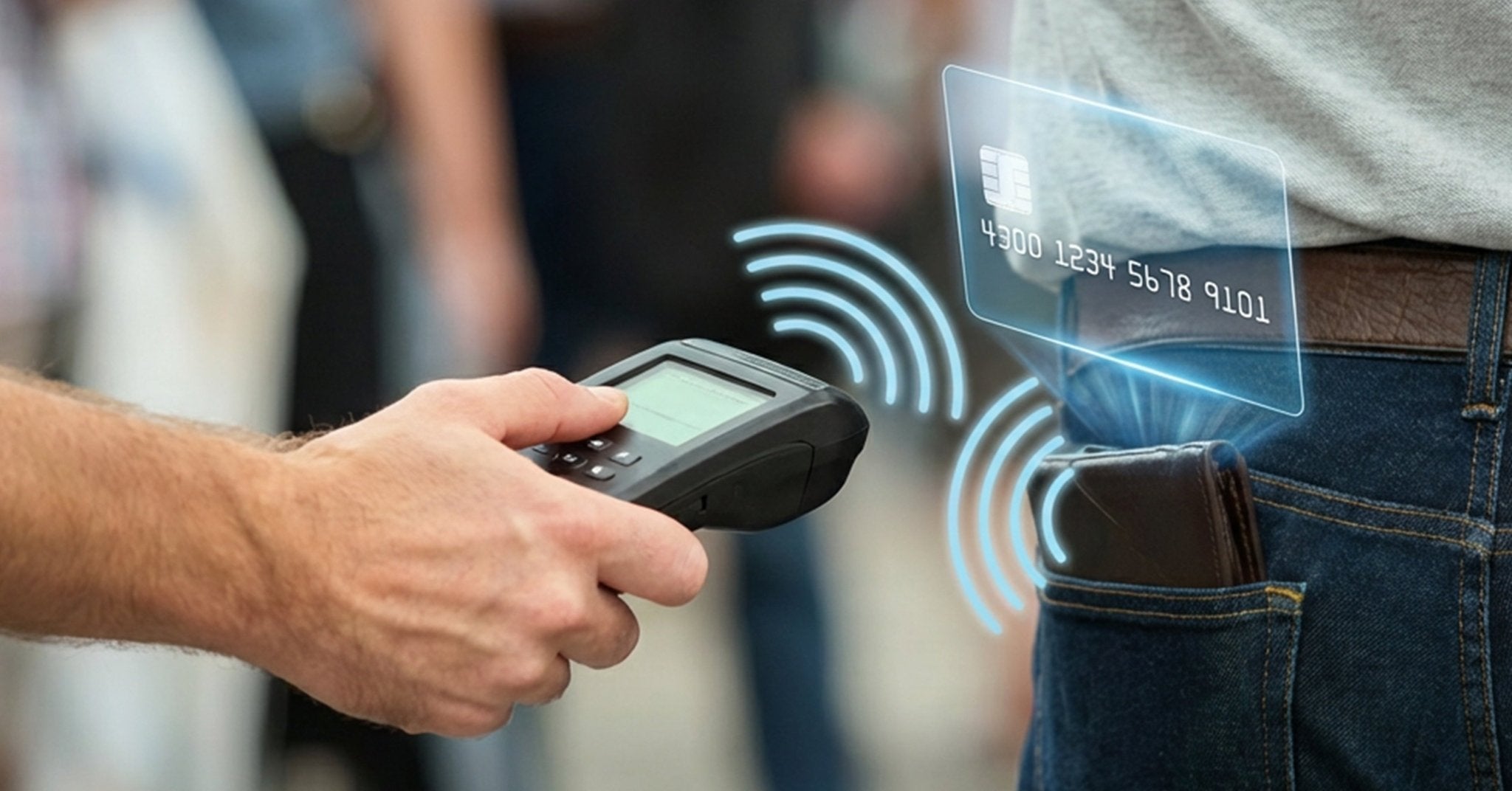
What is RFID Skimming? (And Why Your Wallet Might Be Running Its Mouth)
Checkout convenience has never been easier, or more vulnerable. What many people still don’t realize is that the very same wireless technology making life more convenient is also giving thieves a new way to steal your information, without ever touching your wallet or even being noticed.