What is RFID Skimming? (And Why Your Wallet Might Be Running Its Mouth)
Checkout convenience has never been easier, or more vulnerable. You tap your card at the register, gas pump, or coffee shop and the transaction is complete in seconds. What many people still don’t realize is that the very same wireless technology making life more convenient is also giving thieves a new way to steal your information, without ever touching your wallet or even being noticed.
The timeless pickpocket profession has gone high-tech. Sleight of hand? Obsolete. Today they rely on invisible radio waves to do the job quickly and cleanly.
Welcome to RFID skimming, also known as electronic pickpocketing. It’s real, it’s growing, and it doesn’t require the thief to lay a hand on you or your belongings.
So What Exactly Is RFID Skimming?
RFID stands for Radio Frequency Identification. Those little chips tucked into your credit cards, debit cards, work badge, and passport are miniature radio transmitters. They sit quietly until a reader sends out a signal, they do not have a battery, the signal itself is what powers the chip - then they wake up, cheerfully hand over your card information, all without you knowing a thing happened.
It’s the same technology that makes tap-to-pay so convenient: Great when you’re in control. Not so great when someone else is listening in.
How Thieves Actually Pull It Off
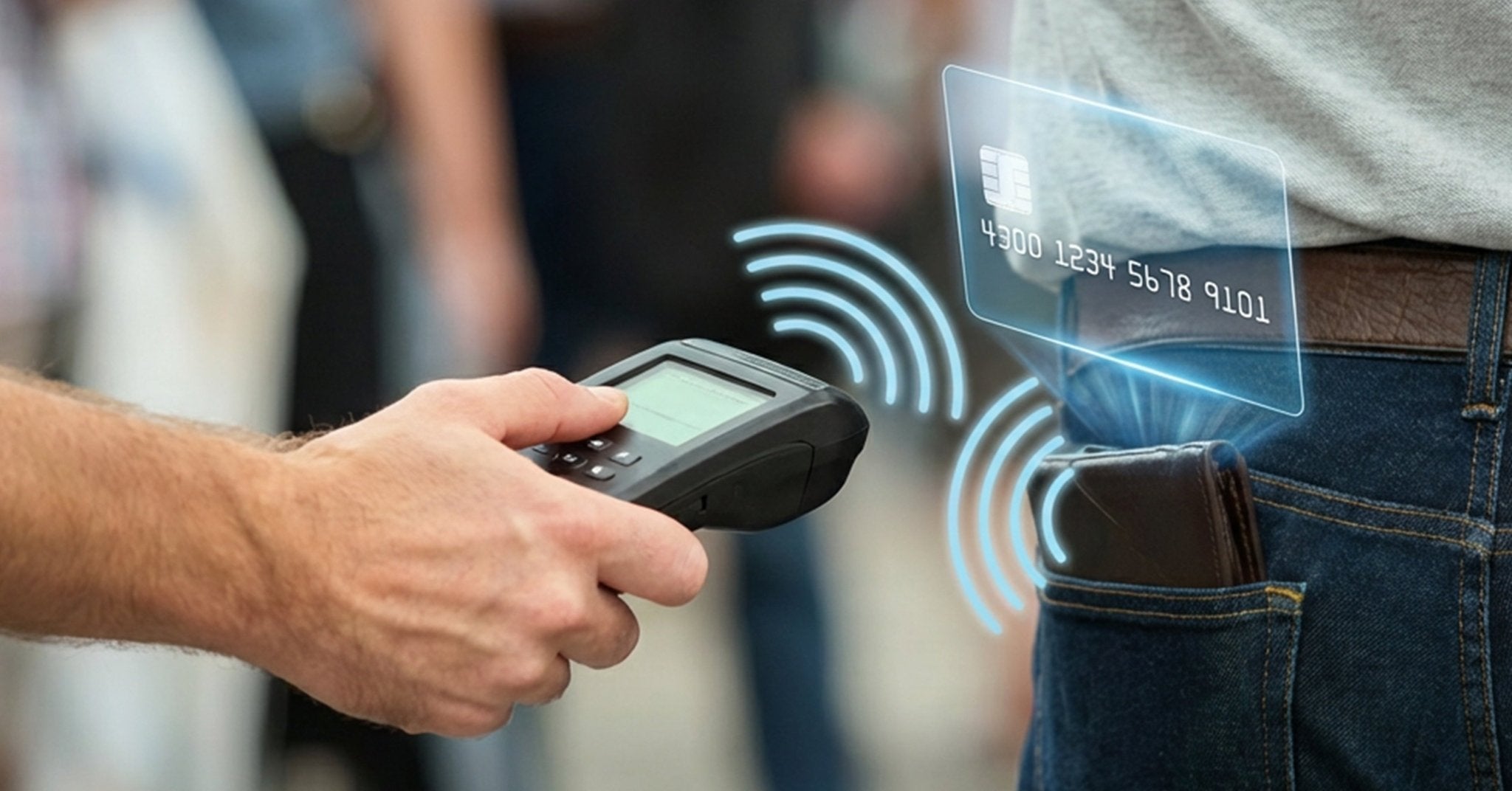
A thief carries a portable RFID reader, something that can fit in a backpack, jacket pocket, or even look like an ordinary bag. He positions himself near you in a crowd: elevator, subway, stadium line, busy sidewalk. The reader pings your wallet. Your contactless cards don’t know any better and simply respond the same way they do at a payment terminal, by delivering the goods.
No bump. No reach around. No evidence. Just clean, wireless theft.
And here’s the part that should make you give your smartphone the side-eye: threats like NGate malware. This sophisticated Android malware sneaks onto your phone through the usual tricks - malicious apps, sketchy links, phishing texts. Once it’s in, it harnesses the phone’s own NFC capabilities to read the contactless cards sitting right in your wallet or pocket whenever they get close enough. Your phone literally becomes the pickpocket, quietly shipping the details off to some hacker hiding out in his mom’s basement.
The Equipment Is Openly Available for Purchase Online
The gear isn’t locked away in some black-market warehouse. Basic handheld RFID readers start cheap online. Want something fancier with Bluetooth? Still well within reach. Tech-savvy types even build their own or grab multi-tool gadgets that do the job for only a few hundred bucks.
No license. No background check. Just a credit card (the irony is thick) and two-day shipping. The same person who can’t change their own oil can now play digital pickpocket.
What Makes Your Cards So Darn Vulnerable?
Tap-to-pay technology.
When we founded Identity Stronghold back in 2005 and created the world’s first RFID-blocking Secure Sleeve®, contactless payment cards were still a shiny new toy-roughly 20 million in circulation across the United States by the end of the year. Fast-forward to today: nearly 90% of American consumers now regularly use tap-to-pay. Contactless cards are standard issue. Every new passport comes with an RFID chip. Most corporate access badges do too.
Banks and card companies rolled this out for speed and convenience. The thieves just said “thank you very much.”
Yeah, But Banks Cover Fraud… Right?
Most of the time, yes - after you burn a Saturday on the phone canceling cards, filing disputes, and waiting for replacements. Meanwhile autopays bounce, your credit may take a temporary ding, and you scratch your head wondering how the hell they got you this time. Prevention still beats the cure, especially when the cure feels like a root canal with no Novocain.
How to Actually Protect Yourself (Without Putting on Your Tin-Foil Hat)
A few practical moves:
- Okay so actual tin-foil, wrapped around your cards, creates a Faraday cage effect and shields your cards, but who wants to live that way?
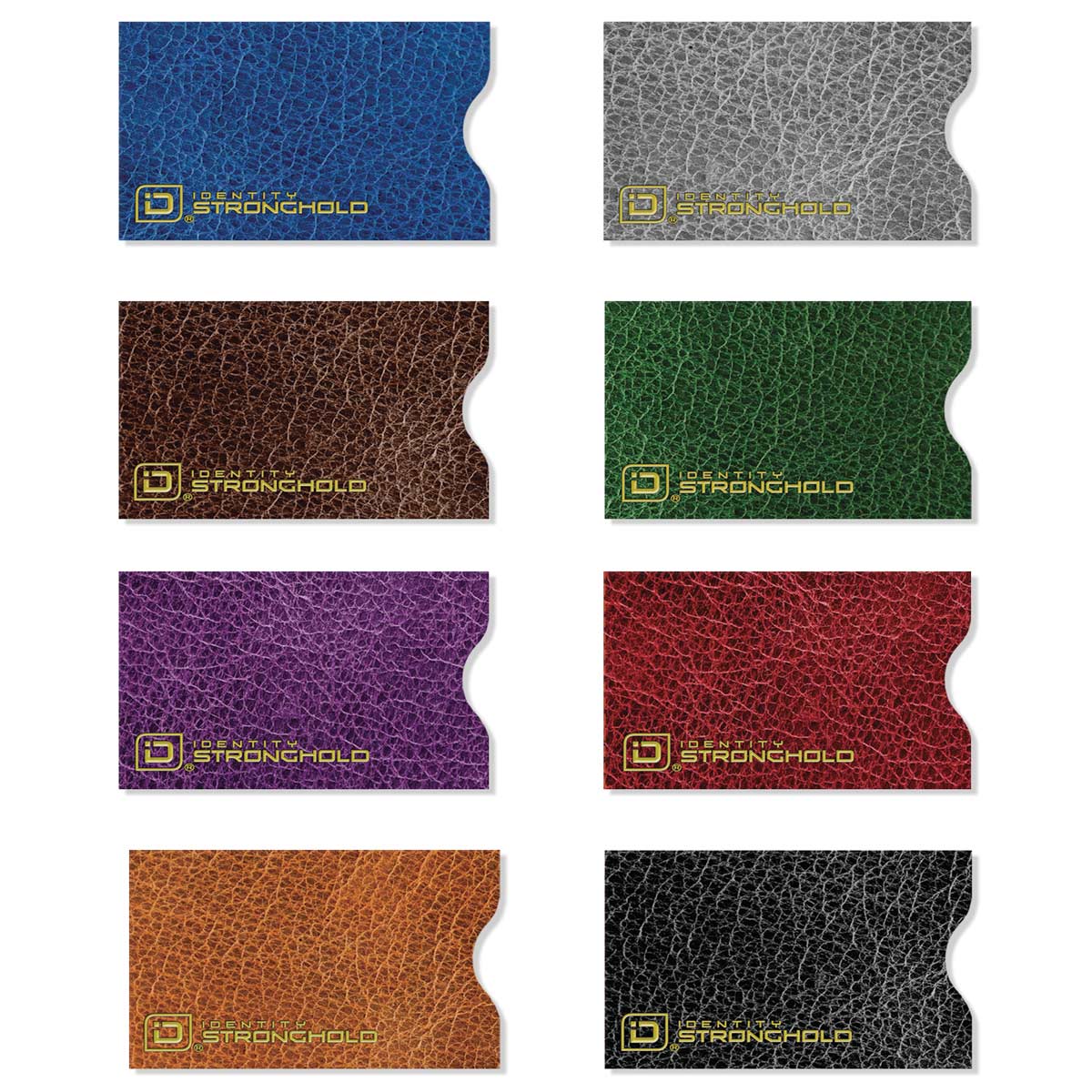
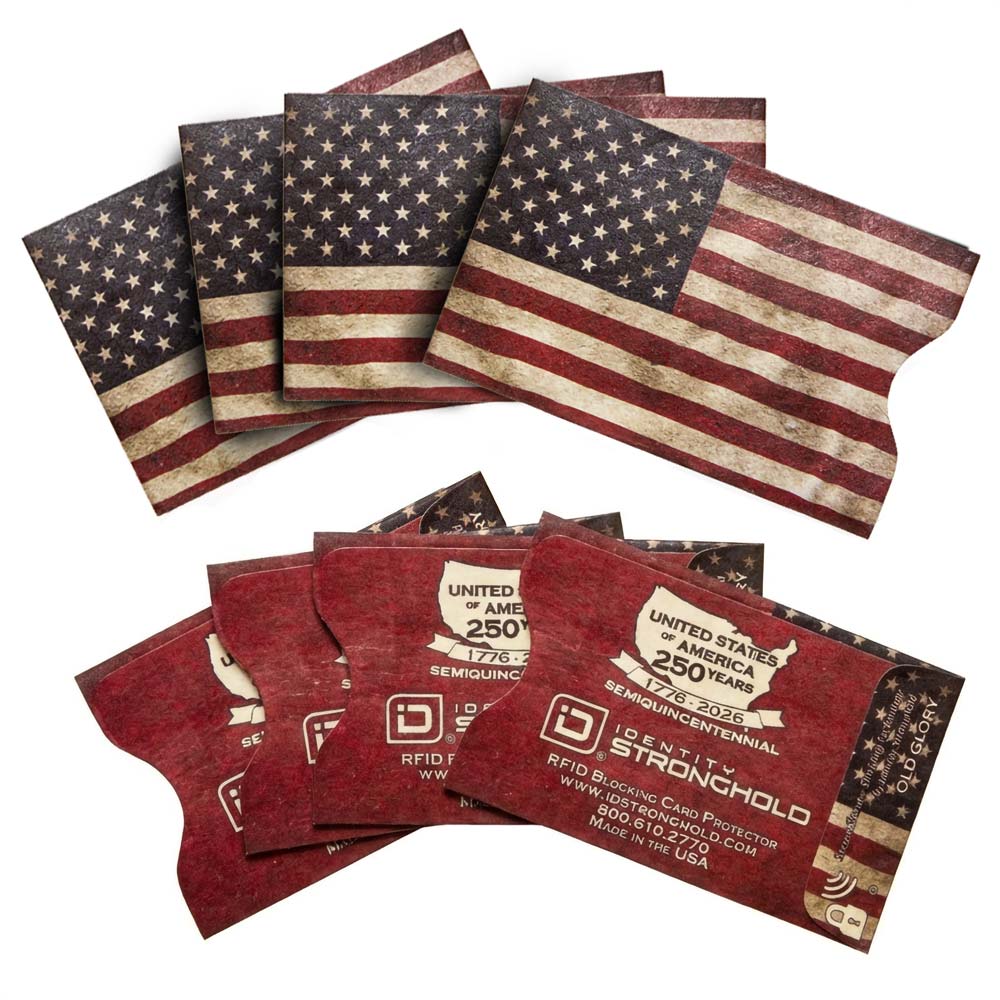
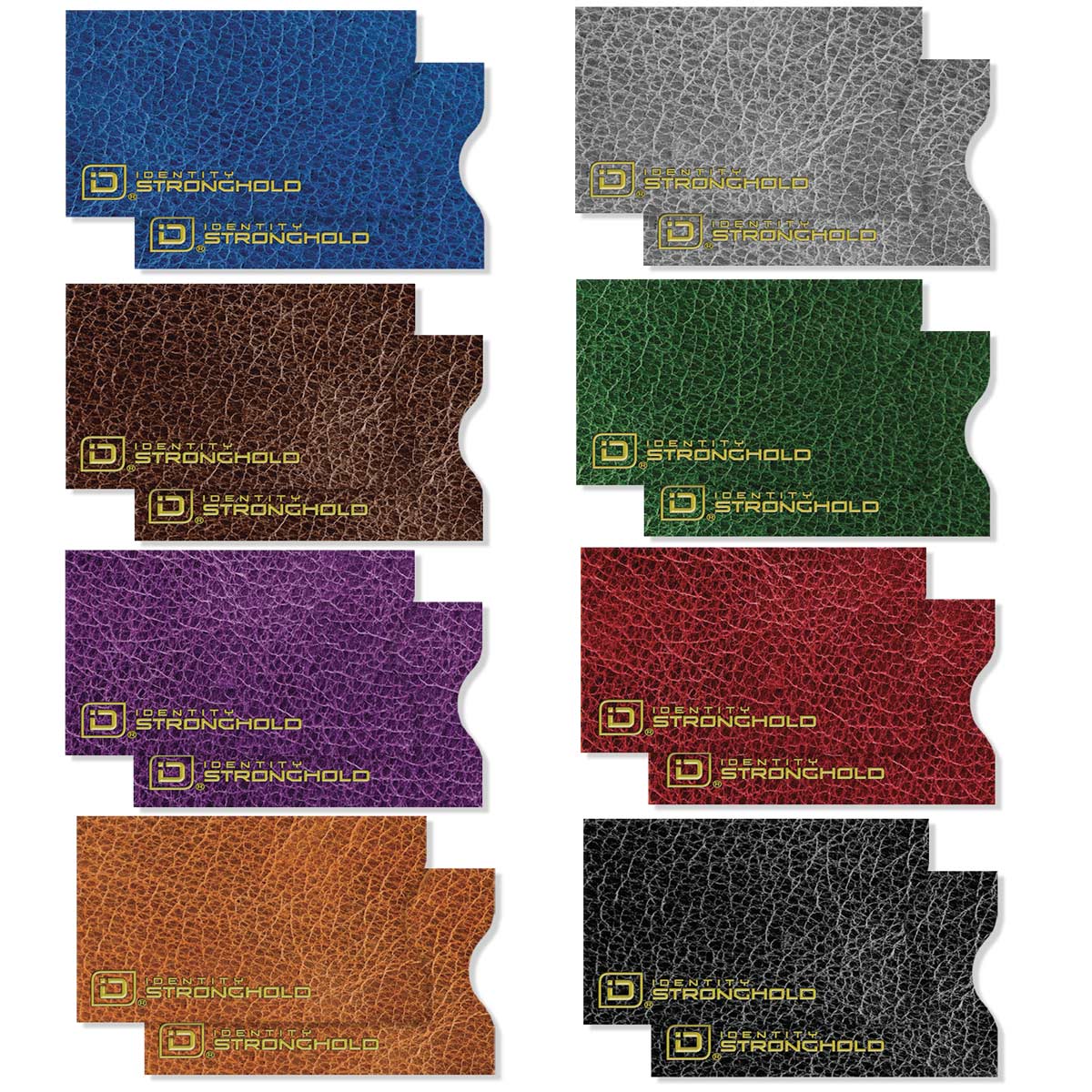
- Individual RFID-blocking sleeves for your most-used cards
- Transaction alerts cranked to 11
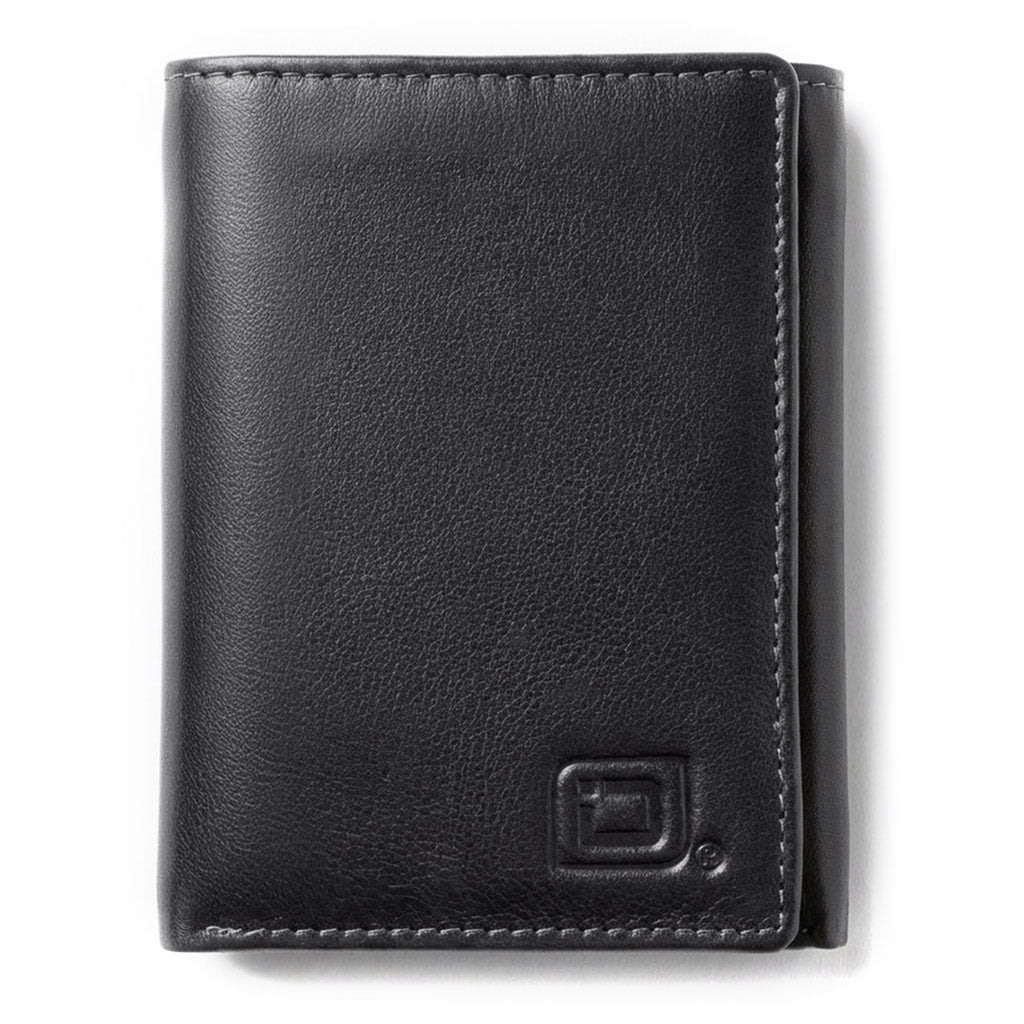
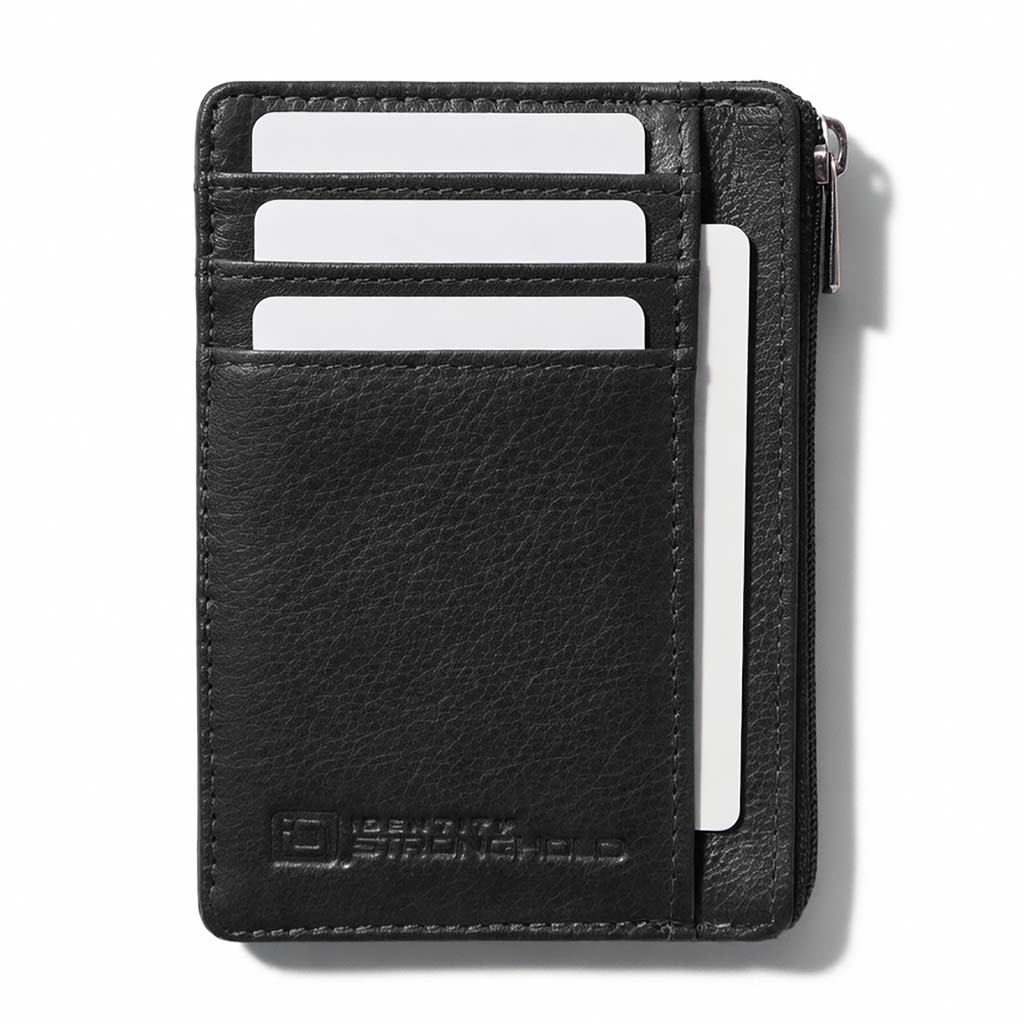
- The real winner: a proper RFID-blocking wallet with individually shielded slots
Here’s where we get a little opinionated (we’ve been doing this for 20 years, so we’ve earned it). Many outfits only install one thin layer of protective shielding into their wallets. Imagine taking cover from a grenade - ducking behind a thin wall might protect you, but a bunker WILL protect you.
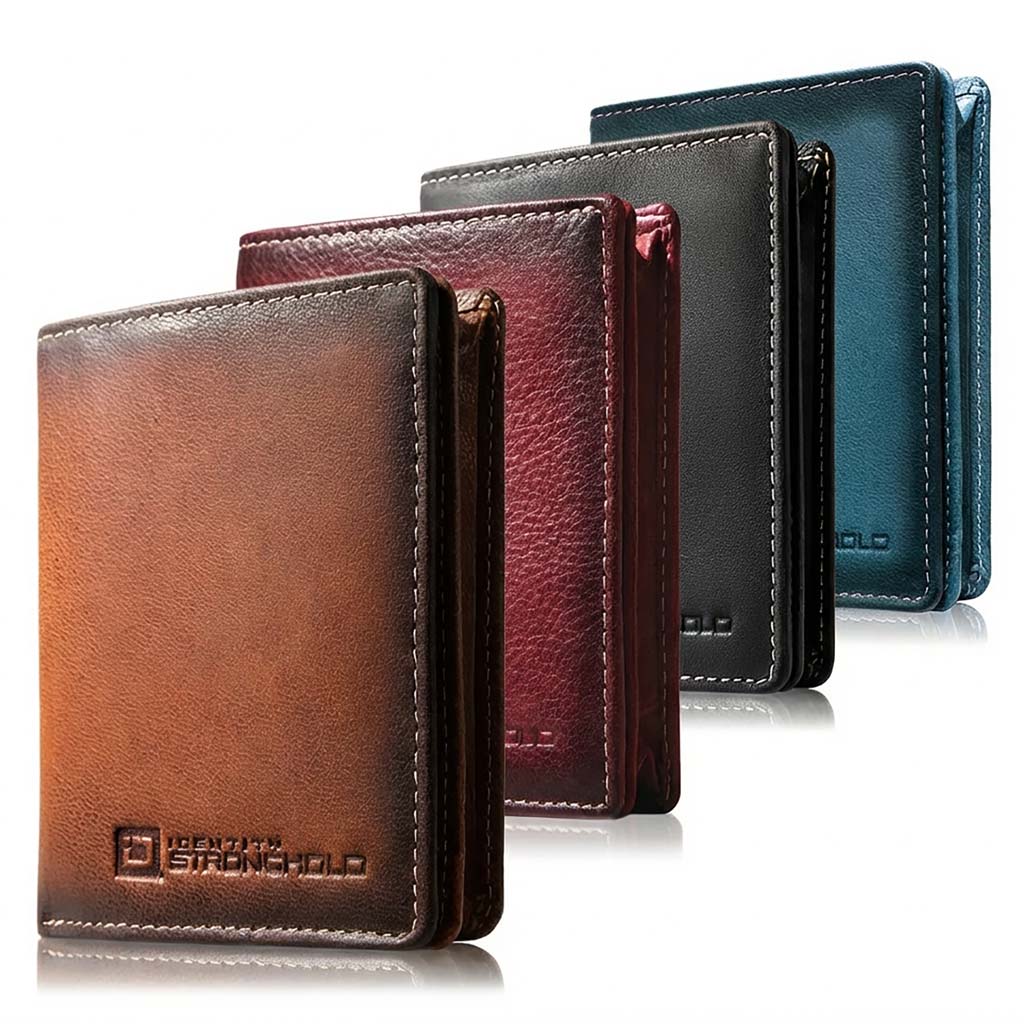
Our wallets are built different. Full shielding is engineered into every single slot and compartment - a proper Faraday cage around each card. It’s the same principle we pioneered in 2005, refined over two decades, tested against both classic readers and new threats like phone-based malware. They look and feel like the premium leather gear you’d buy anyway.
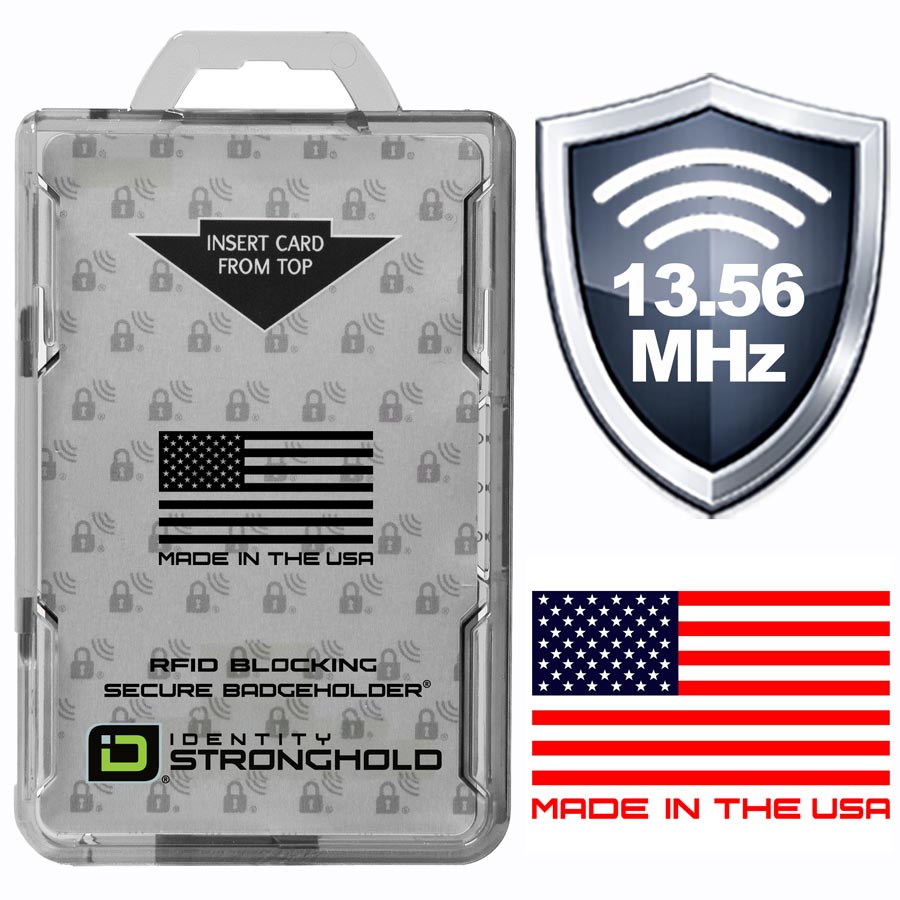
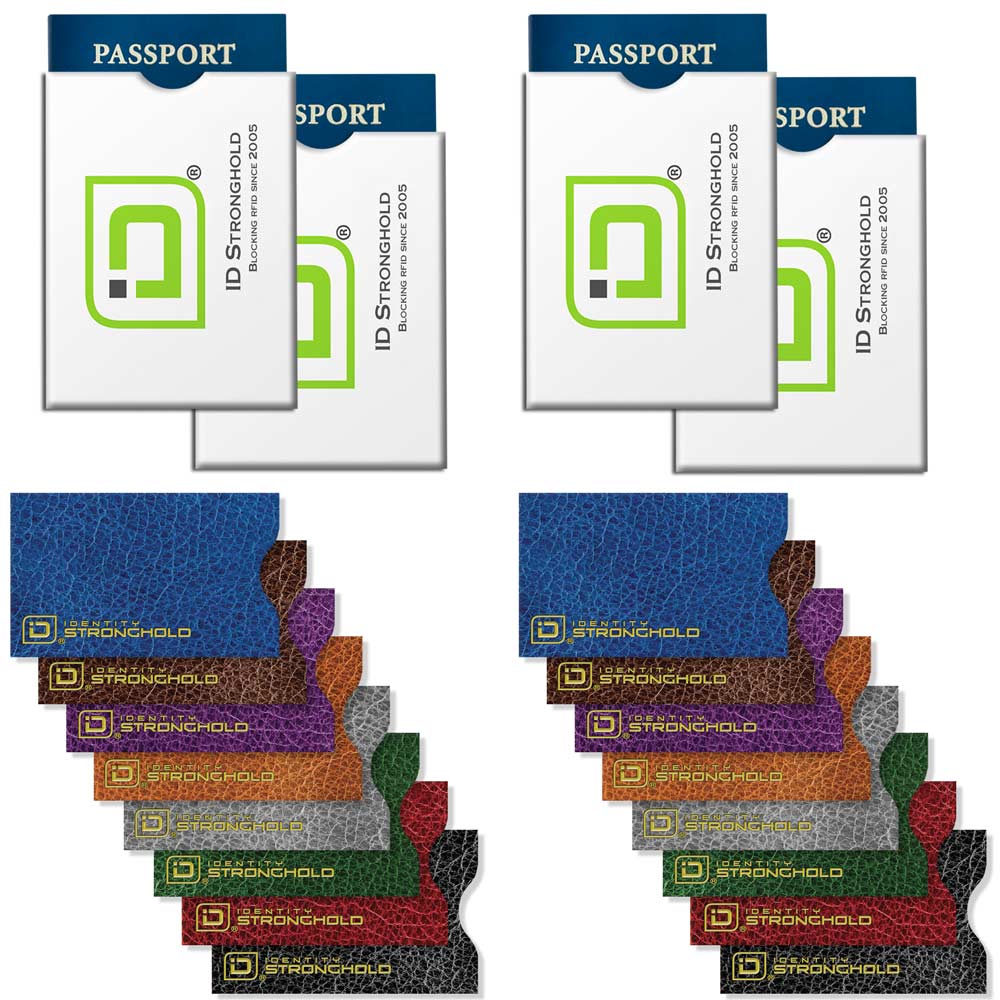
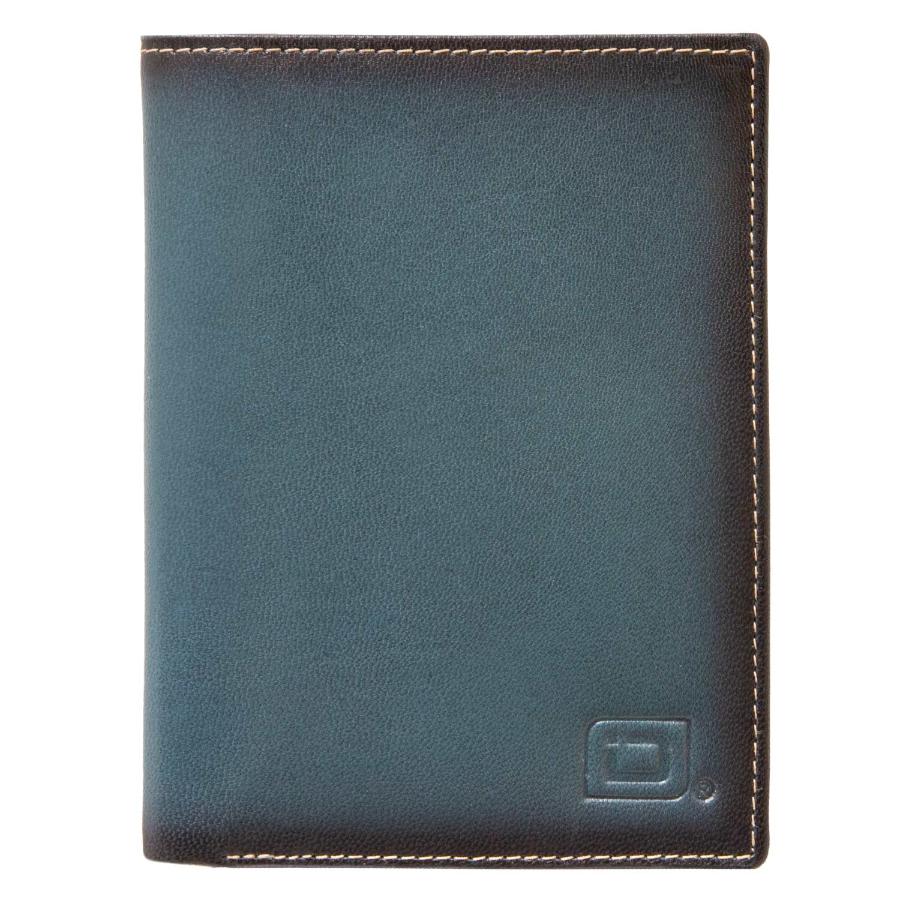
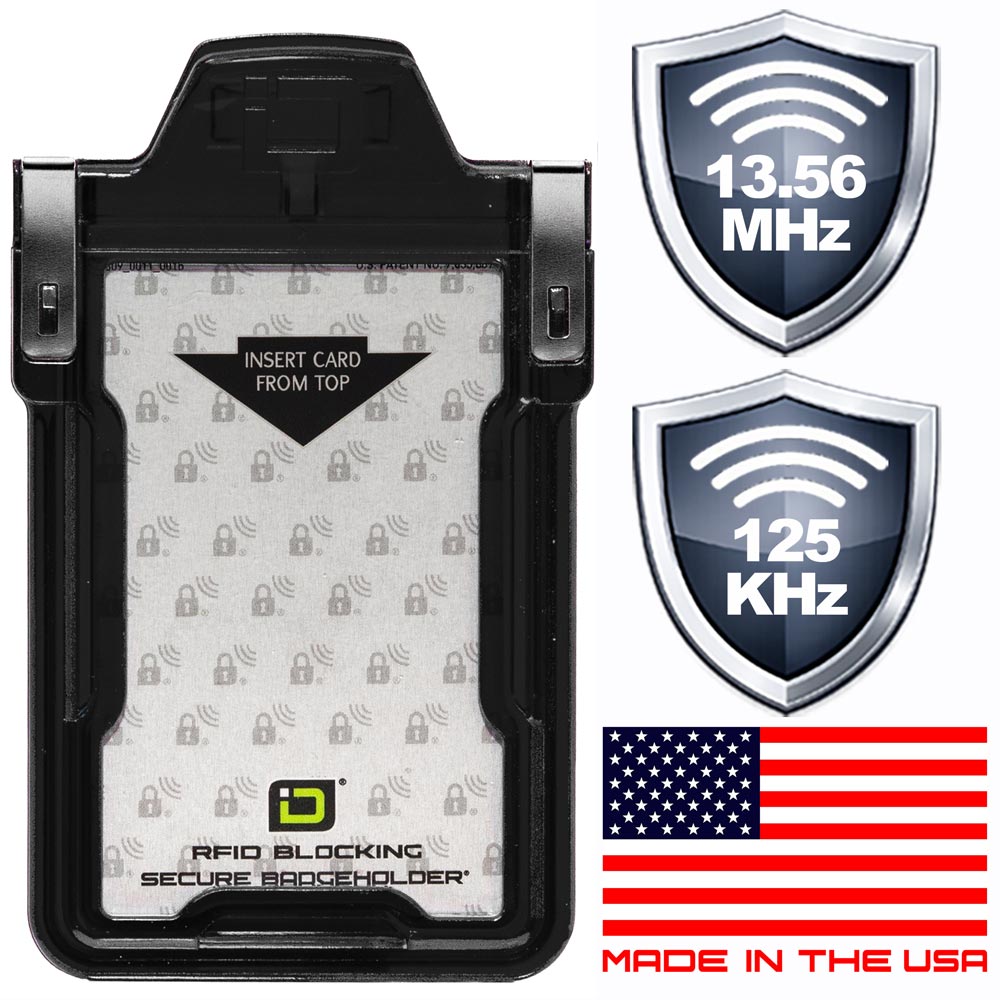
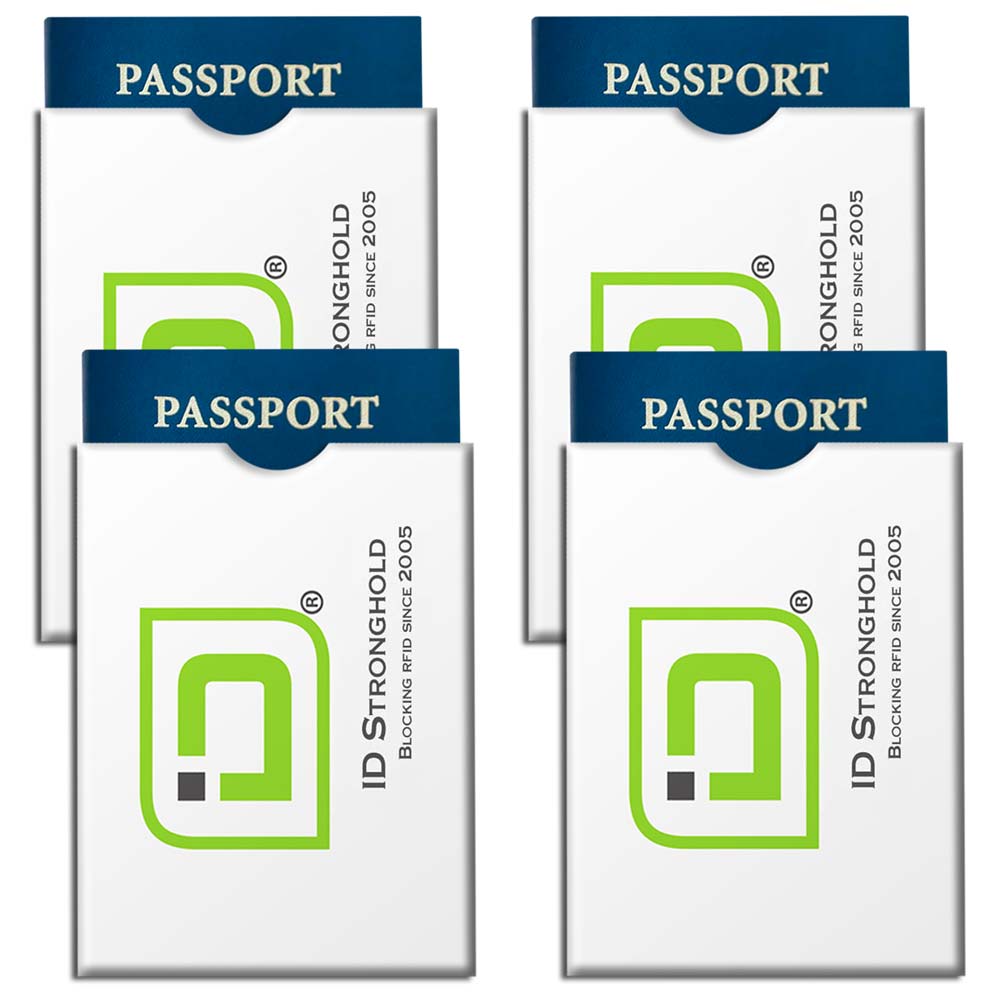
We also make the original Secure Sleeves®, passport holders, and shielded badge holders for those who flash their work ID every day.
Bottom Line
RFID skimming isn’t science fiction or urban legend. It’s real, it’s cheap for the bad guys, and the explosion of vulnerable cards since we started warning people about it two decades ago has only made it easier. You wouldn’t leave your car keys on the bar while you hit the head. Don’t leave your entire financial life broadcasting on an open frequency either.
Shut it down at the source with real protection. Your wallet. Your rules. Not theirs.
We’ve got your back - and your front pocket - since 2005.
Shop the full line of RFID-blocking wallets, sleeves, and holders at www.idstronghold.com.
Stay sharp out there.